

HKUST Research Reveals Cost-Effective Food Waste Treatment Through Sewage Systems
Cutting Costs and Greenhouse Gas Emissions by 11% and 47%

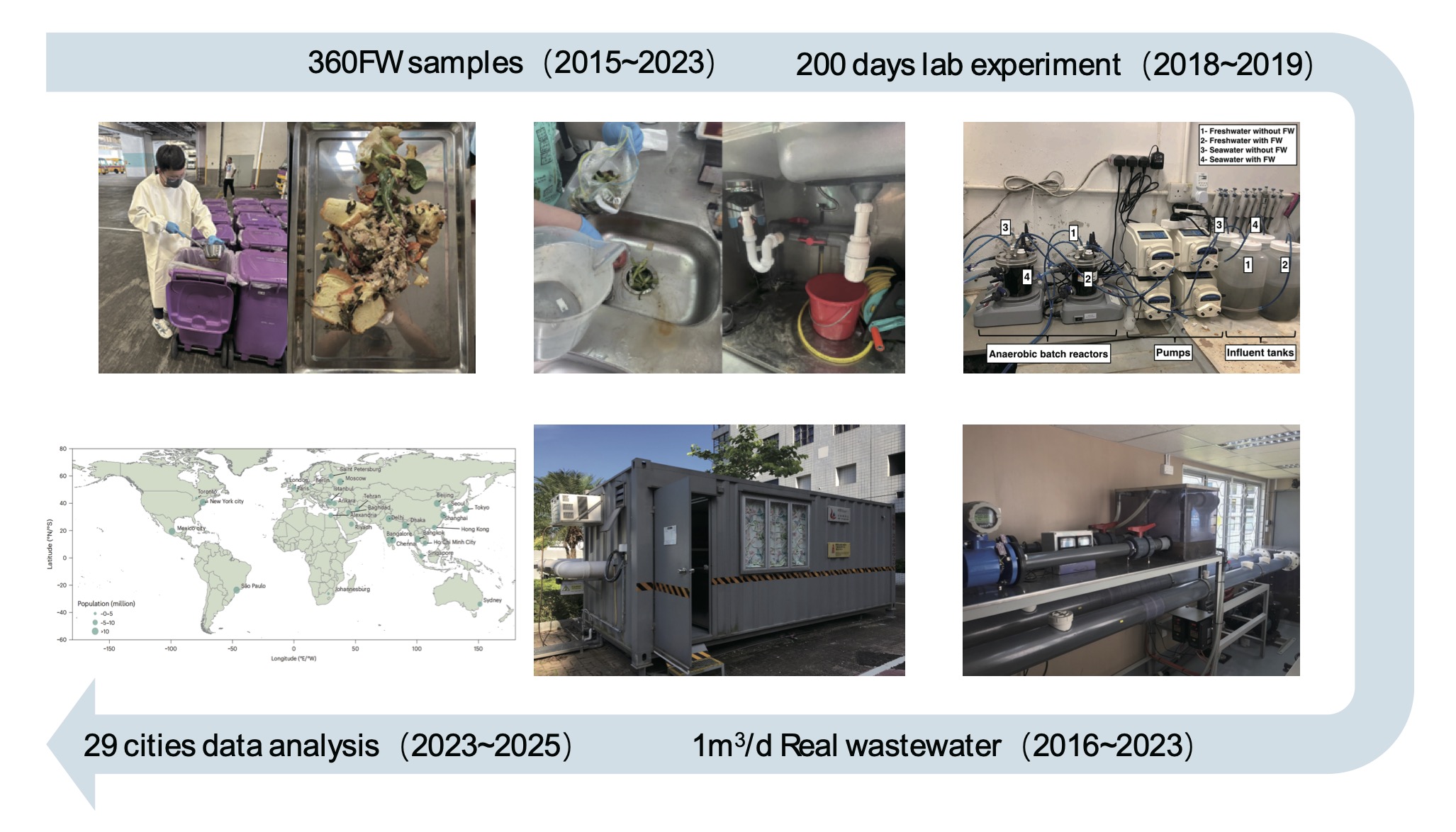
A research team at The Hong Kong University of Science and Technology (HKUST) has developed an innovative urban food waste management framework by analyzing food waste data from 29 large cities worldwide, including Hong Kong, Beijing, and New York. The study shows that in cities with higher food waste moisture loads, such as Hong Kong, grinding food waste and diverting it into the sewage system is more effective than relying solely on landfilling. This approach can reduce overall greenhouse gas emissions by about 47% and lower total waste-management costs by about 11%. The research provides a new, quantitative basis for shaping food waste management strategies in cities around the globe.
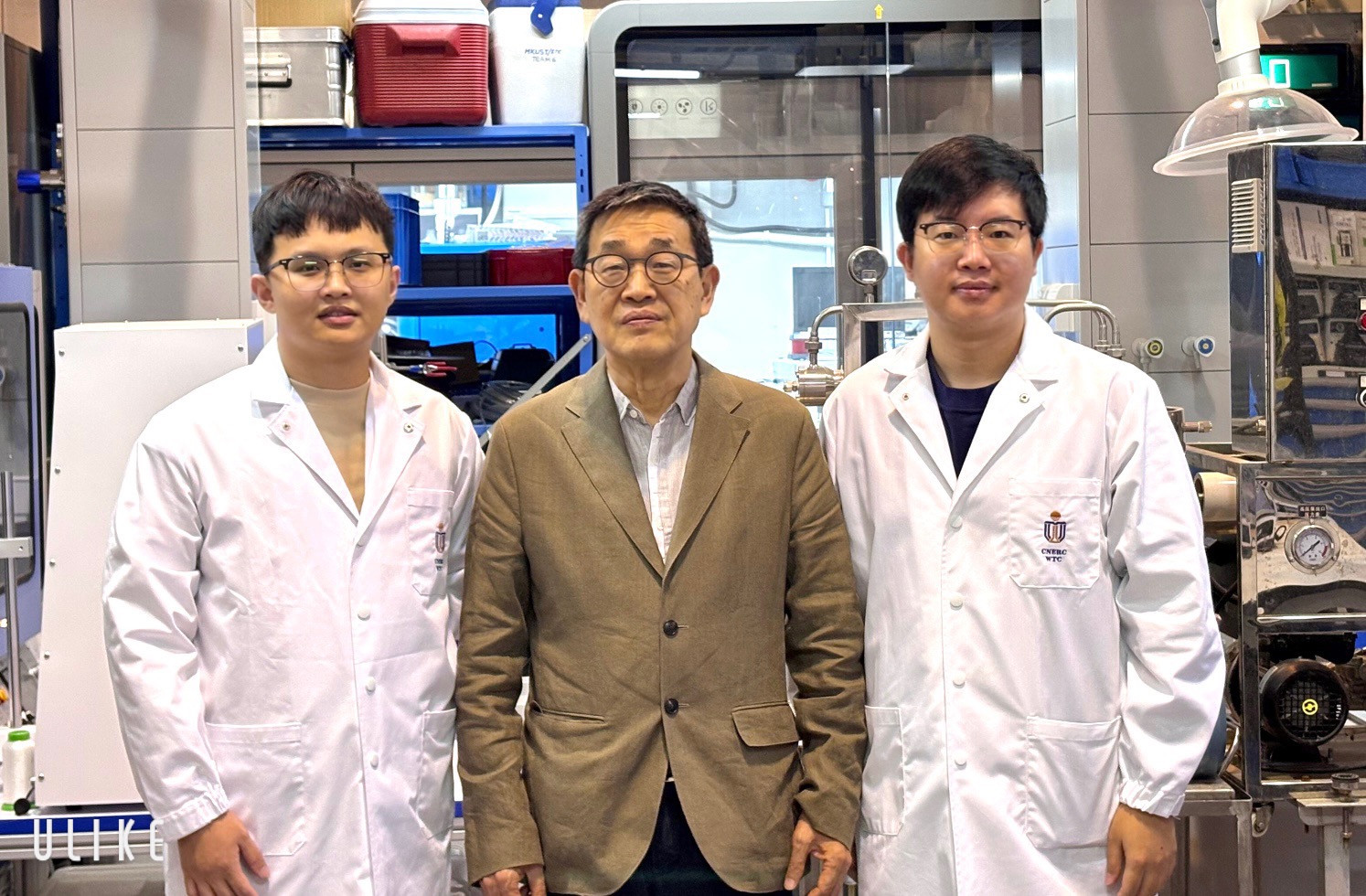
The study was led by Prof. CHEN Guanghao, Chair Professor of the Department of Civil and Environmental Engineering at HKUST, together with Dr. GUO Hongxiao, Postdoctoral Fellow and PhD student Mr. ZOU Xu, in collaboration with researchers from Huazhong University of Science and Technology. The findings, titled “Redefining separate or integrated food waste and wastewater streams for 29 large cities”, were published in the international academic journal Nature Cities.
As urban populations continue to expand worldwide, food waste volumes are rising accordingly. Most cities still rely on landfilling or incineration to manage food waste, even though its high moisture content reduces processing efficiency and increases logistical burdens. For example, in the United States, food waste alone accounts for approximately 58% of methane emissions generated from landfills, making it one of the major pollution sources of greenhouse gas emissions.
The research team collected data on food waste composition, wastewater generation, energy consumption, and treatment costs from 29 large cities worldwide for analysis. They found that the key factor affecting food waste treatment efficiency is not the weight or type of food waste, but its moisture load. Higher moisture loads were linked to increased treatment costs and emissions.
The team developed the Urban Biowaste Flux (UBF) framework and identified a threshold of about 46.8kg per capita per year of food waste moisture load. Above this threshold, adopting an integrated system—diverting food waste into the sewage network and combining it with landfill or incineration—results in lower overall costs than maintaining separate systems. Cities such as Hong Kong, Beijing and Seoul, where fresh ingredients and soup‑based diets are common, tend to generate wetter food waste streams. The study shows that using food waste grinders to divert it into the sewage system can improve overall treatment efficiency in such cities. In Hong Kong, for example:
Economic benefits: Under the integrated system, the annual operating costs for wastewater treatment and sludge treatment increase by US$5.63 million and US$22.51 million, respectively. However, landfill expenditure decreases by US$74 million, resulting in an 11.13% reduction in Hong Kong’s total waste‑management costs (including capital, operation, and grinder costs).
Greenhouse gas emissions: Integrated treatment can reduce Hong Kong’s direct and indirect greenhouse‑gas emissions by a combined 46.61%.
Mr. Zou, HKUST PhD student, said, “Using Hong Kong as an example, our analysis of food waste and wastewater samples shows that food waste accounts for 57.78% of the total chemical oxygen demand entering the biowaste treatment system. This demonstrates why we must rethink how food waste is managed. The UBF model offers an effective analytical tool for cities with high food waste moisture loads like Hong Kong.”
Dr. Guo, HKUST Postdoctoral Fellow, said, “Compared with traditional separate collection and landfilling, integrated system can reduce greenhouse gas emissions by 24% to 88% across different cities. Around half of all food waste in the U.S. is already managed through this method, but it remains uncommon in Asia. The UBF model helps cities like Hong Kong identify more efficient and sustainable approaches to food waste management.”
Prof. Chen said, “Using wastewater systems to process wet food waste, together with anaerobic digestion, allows sludge to be used as fuel, and the heat generated during incineration can be recovered for electricity generation. Our study shows that among 29 cities worldwide, 27 would reduce per‑capita annual energy consumption by about 20.6%, and 26 would reduce per‑capita greenhouse‑gas emissions by about 22.6% if integrated treatment were adopted. Of course, cities differ, and not all will be suited to the same model. But for those with high food waste moisture load and high solid‑waste processing costs, integrated treatment is a practical path forward. We hope this research provides a scientific foundation for cities to formulate more appropriate strategies for food waste management.”
About The Hong Kong University of Science and Technology
The Hong Kong University of Science and Technology (HKUST) (https://hkust.edu.hk/) is a world-class university known for its innovative education, research excellence, and impactful knowledge transfer. With a holistic and interdisciplinary pedagogy approach, HKUST was ranked 6th in the QS Asia University Rankings 2026, 3rd in the Times Higher Education’s Young University Rankings 2024, and 19th globally and 1st in Hong Kong in the Times Higher Education’s Impact Rankings 2025. Thirteen HKUST subjects were ranked among the world’s top 50 in the QS World University Rankings by Subject 2025, with “Data Science and Artificial Intelligence” coming in 17th worldwide and first in Hong Kong. Our graduates are highly competitive, consistently ranking among the world’s top 30 most sought-after employees. In terms of research and entrepreneurship, over 80% of our work was rated “internationally excellent” or “world leading” in the Research Assessment Exercise 2020 of the Hong Kong’s University Grants Committee. As of July 2025, HKUST members have founded over 1,900 active start-ups, including 10 Unicorns and 17 exits (IPO or M&A).
Sign Up for Our Latest News
Latest News
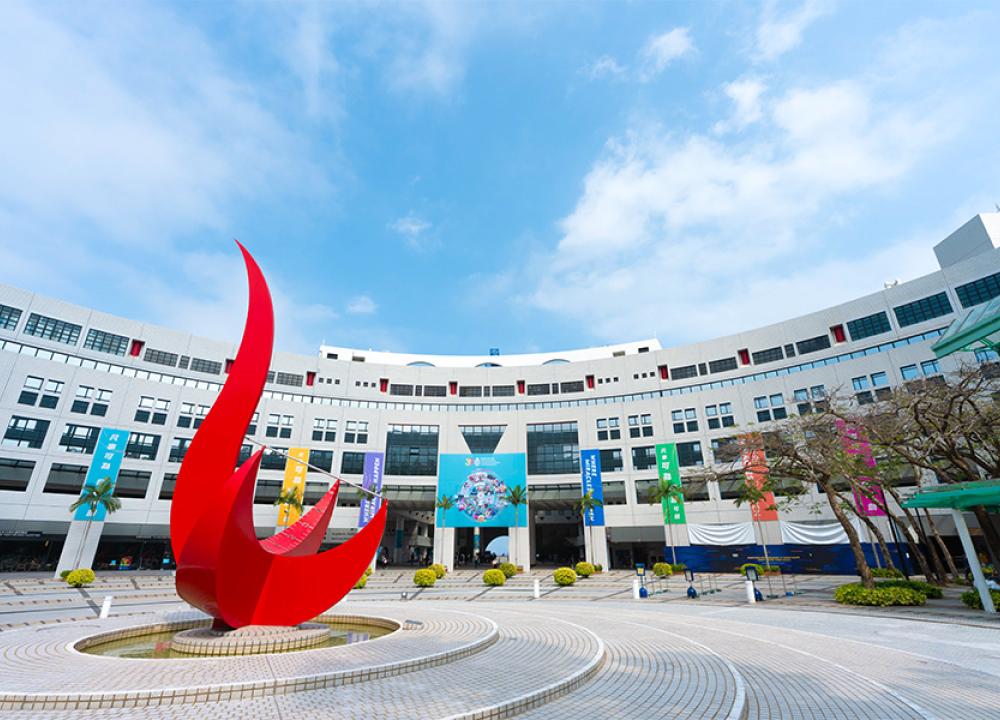
The Hong Kong University of Science and Technology (HKUST) is pleased to receive approval from the Innovation and Technology Commission (ITC) of the HKSAR Government to establish two new research centers under the third InnoHK research cluster, SEAM@InnoHK. The research centers will focus respectively on renewable energy and storage, as well as power semiconductors and related applications.
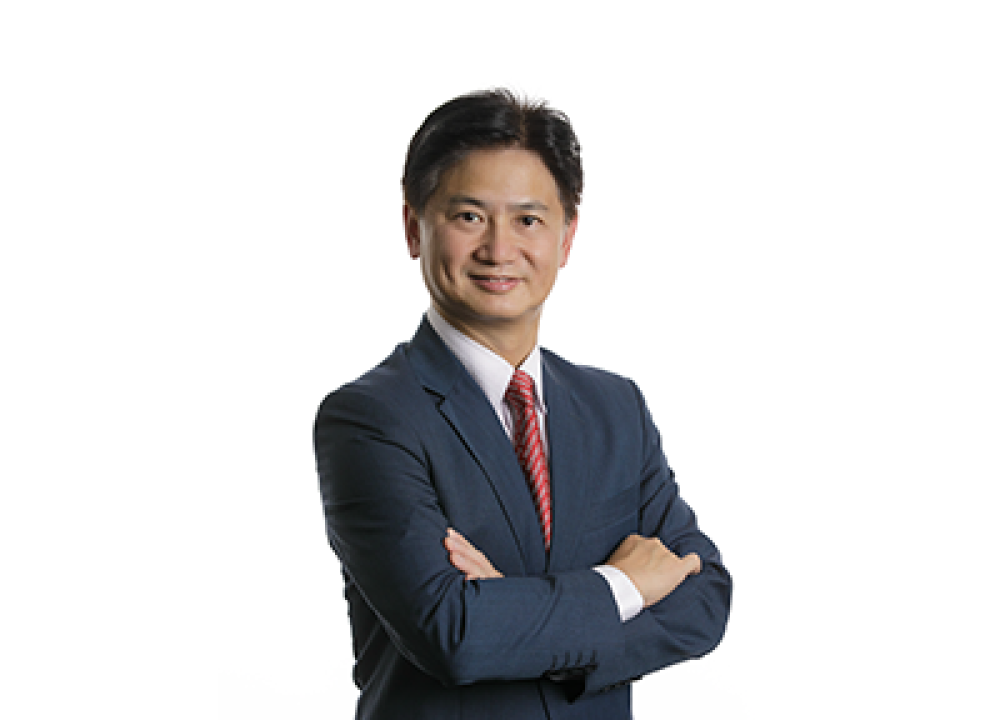
Prof. Charles NG Wang-Wai, Vice-President for Institutional Advancement, CLP Holdings Professor of Sustainability, and Chair Professor of Civil and Environmental Engineering at The Hong Kong University of Science and Technology (HKUST), has been named the 65th Rankine Lecturer by the British Geotechnical Association (BGA).
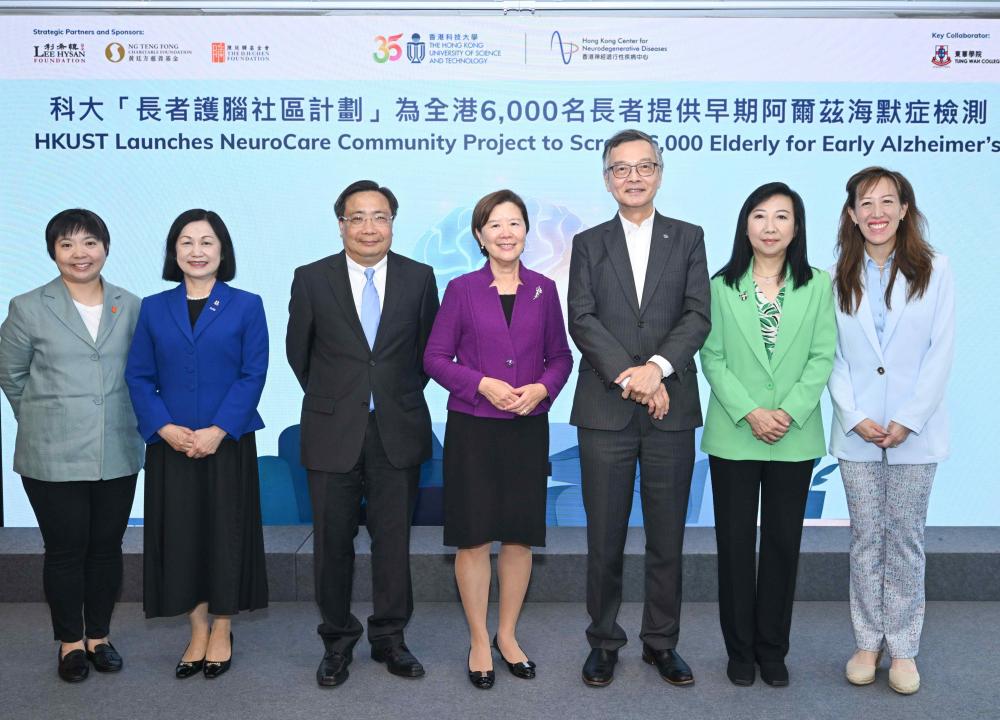
The Hong Kong University of Science and Technology (HKUST) today launched the NeuroCare Community Project (the Project), a five-year initiative to enhance early detection of Alzheimer’s risk for Hong Kong’s elderly who need support.