



International Research Enrichment Track: Students Who Took Their Curiosity Global

The International Research Enrichment (IRE) Program at The Hong Kong University of Science and Technology (HKUST) School of Science is designed for students who feel a deep calling toward scientific discovery.
Established in 2014, the IRE program offers a structured pathway for science students to engage deeply with research from an early stage, with many securing a research supervisor by their second year. The hallmark of IRE is its strong emphasis on global exposure. IRE students benefit from a scholarship that supports their required overseas internship (SCIE 3900 International Research Experience), often combined with an exchange semester. This financial assistance, coupled with flexibility in curriculum planning, enables IRE students to immerse themselves in extended international research opportunities.
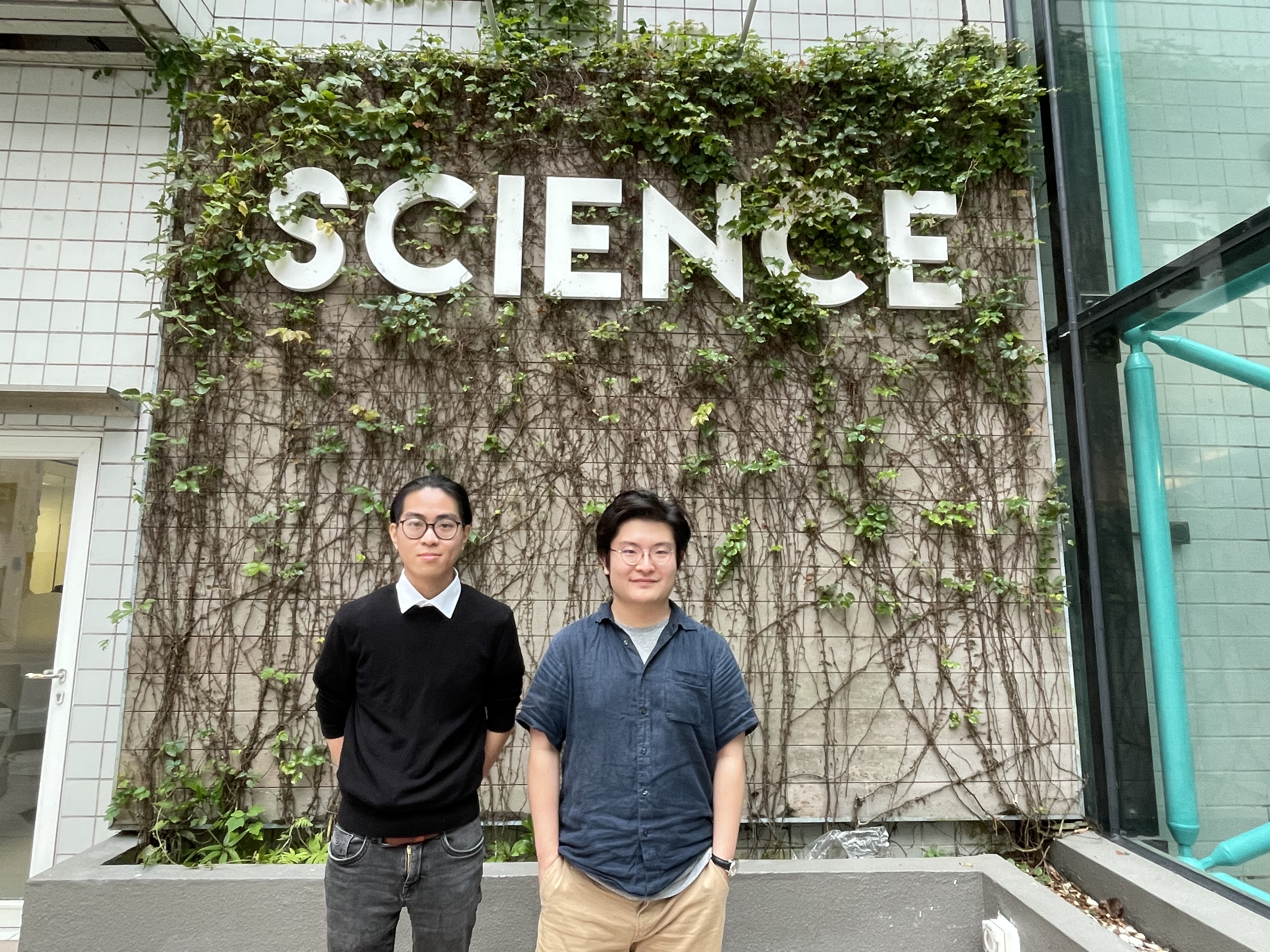
The program has already empowered many students, such as Dicky WONG and Thomas LAM, transforming their existing opportunities into life-changing experiences that have shaped their academic paths.
Dicky Wong – Chemistry Innovator
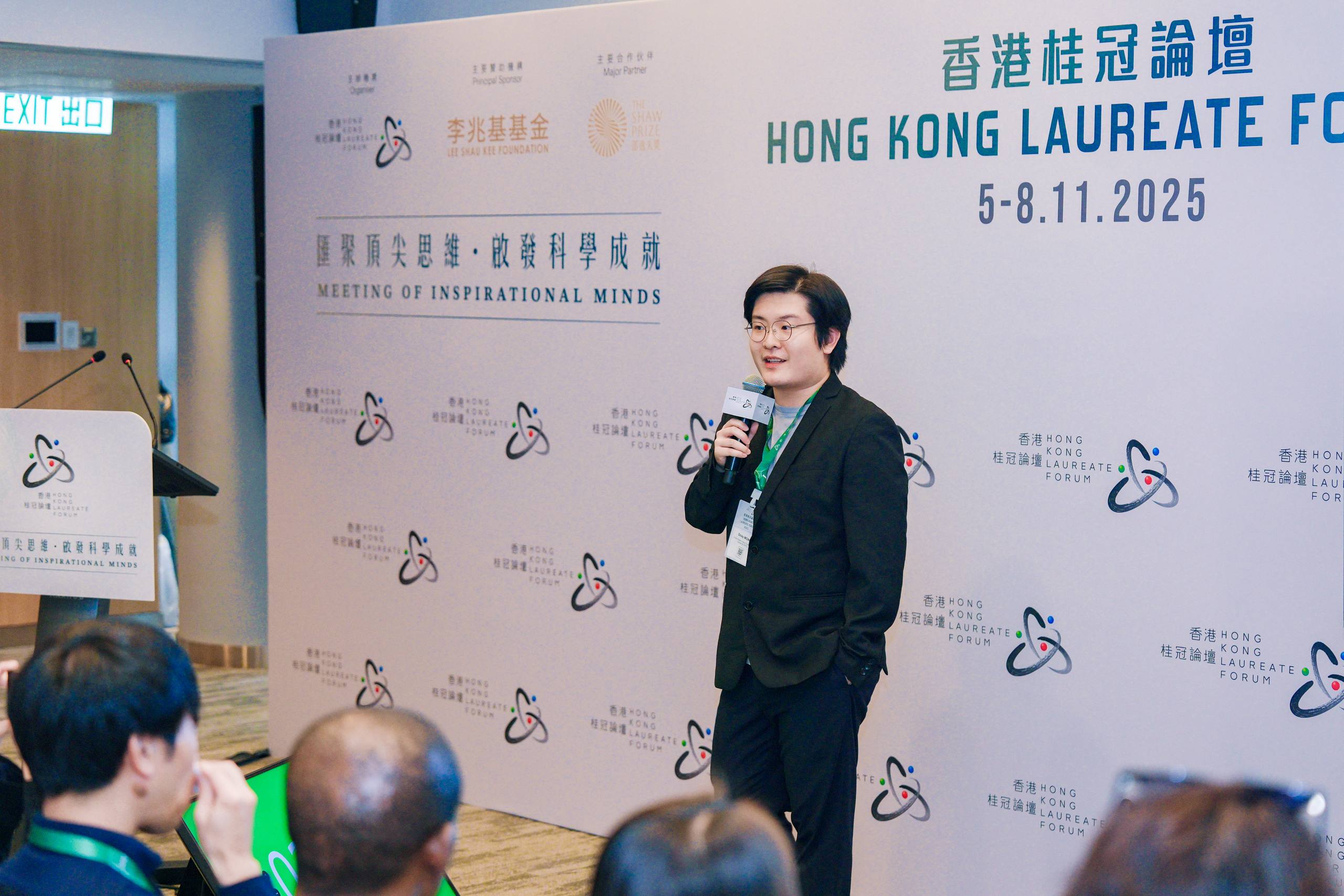
From a Physics Olympiad contestant to a PhD student in Chemistry at the École Polytechnique Fédérale de Lausanne (EPFL) in Switzerland, Wong’s journey began at HKUST with a BSc in Chemistry under the IRE track.
“I started lab work in my first year at HKUST,” Wong recounts. “In Europe, most students join labs at the master’s level. That’s what truly sets the IRE program apart – it gives students crucial early exposure to the academic world and lays a solid foundation.”
Thanks to IRE’s intrinsic flexibility and fuelled by his insatiable thirst for knowledge, Wong enrolled in postgraduate-level courses from his first year, absorbing advanced science with remarkable speed. This exploration eventually led him to shift his focus from physics to the highly niche field of organic and organometallic chemistry.
A pivotal moment came during an extended exchange at ETH Zurich, where he combined his international research experience with a semester abroad for an eight-month immersion. “ETH gave me the freedom to propose and build my own ideas from scratch,” Wong says. “It was challenging, but the creativity and independence I developed at HKUST made all the difference and really served me well.”
Wong also found inspiration in the IRE Journal Club, a student-led study group established by IRE alumni where ideas cross disciplines and unveil new perspectives. “We had students from diverse backgrounds—within chemistry alone, there were materials science, synthetic chemistry, and computational chemistry. Discussing papers outside your own field opens your mind in ways textbooks can’t. We became a tight-knit family, always sharing ideas and pushing each other forward.”
Today, at EPFL, Wong delves into highly specialized air- and water-sensitive organic and inorganic reactions, an area requiring advanced equipment available in only a few labs worldwide. His ambition is now guiding him to secure a post-doctoral position in the US or in Germany.
Outside the lab, Wong’s passion for chemistry extends to the kitchen. “Cooking is chemistry you can taste,” he laughs. “I love hosting group meals for friends and peers. It’s my way of mixing science and life.”
Thomas LAM – Neuroscience Explorer
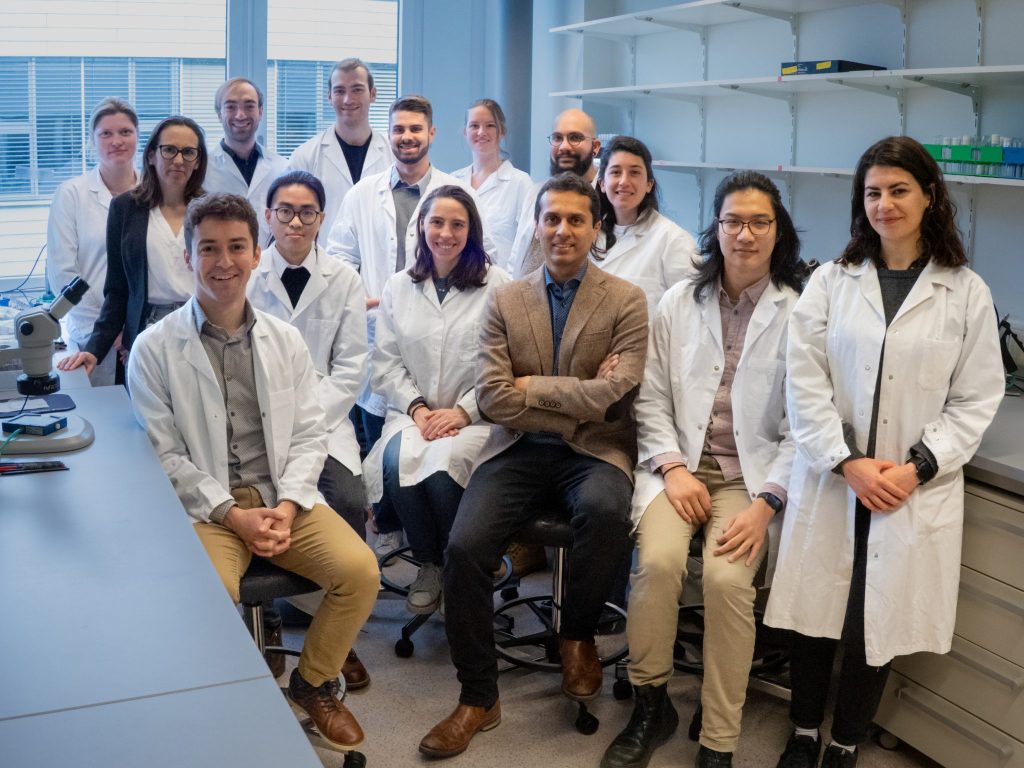
Lam, another IRE alumnus, chose a different path, exploring the intricate mysteries of the brain. He credits IRE for fostering a community of students passionate about scientific research and for giving him the flexibility to pursue a double major in Biochemistry and Cell Biology, alongside Computer Science.
“This flexibility allowed me to tailor my coursework to the needs of my research, build a solid foundation in both fields, and uncover connections I might otherwise have missed,” Lam explains.
His seven-month research stint at Columbia University also proved transformative. “The exchange showed me how research is approached in other parts of the world, connected me with people from diverse academic backgrounds, and helped me build a broader professional network. My supervisors at HKUST and abroad emphasized creative and critical thinking, and I’m really grateful to IRE for helping me hone those skills.”
After earning his BSc and MPhil degrees from HKUST, Lam is now pursuing a PhD in Neuroscience at the EPFL Brain Mind Institute. His research integrates neurobiology, computation, and robotics to explore how motor control underlies goal-directed movements, using fruit flies as a model.
“I believe technology and neuroscience share a reciprocal relationship,” he notes. “Technological advancements make many modern neuroscience discoveries possible, while the elegant solutions shaped by evolution inspire ideas in fields like AI, computing, and robotics.”
For Wong and Lam, IRE offered far more than intensive research training, global exposure, and financial support. It opened the door to a vibrant intellectual community that values curiosity, sparks creativity, and gives students the confidence to forge their own paths in science.
Are you ready to start your own journey? Explore the IRE track and take your research ambitions global!
Sign Up for Our Latest News
Latest News
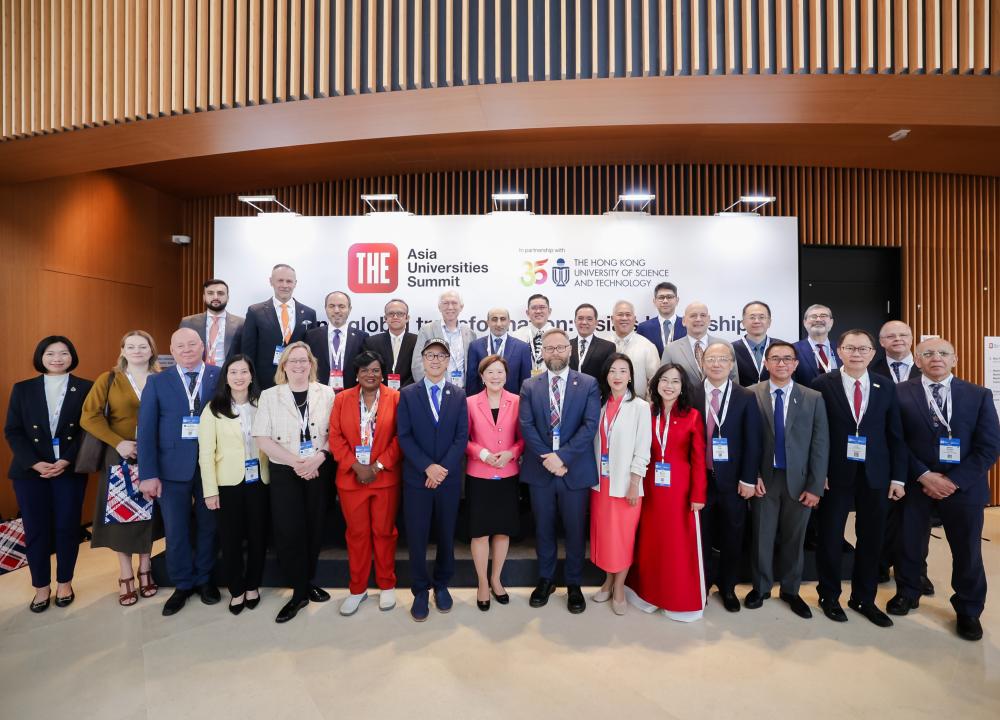
The Hong Kong University of Science and Technology (HKUST) and Times Higher Education (THE) co-hosted the Asia Universities Summit 2026 from April 22 to 24. Under the theme "Igniting Global Transformation: Asia's Leadership," the three-day premier event explores Asia's pivotal role in reshaping global innovation and addressing pressing societal challenges through higher education.
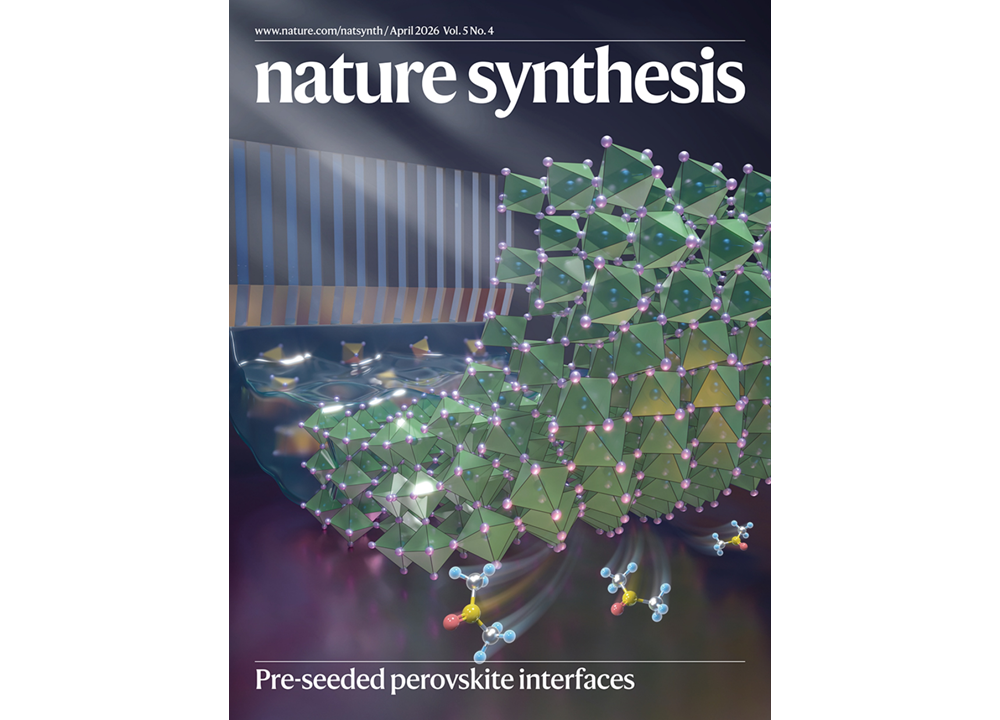
Researchers at The Hong Kong University of Science and Technology (HKUST) have discovered that in perovskite solar cells, conventional passivation strategies mainly act on the film surface and struggle to reach buried interfaces, much like a superficial “external dressing” that cannot repair deep microstructural defects formed during film growth.
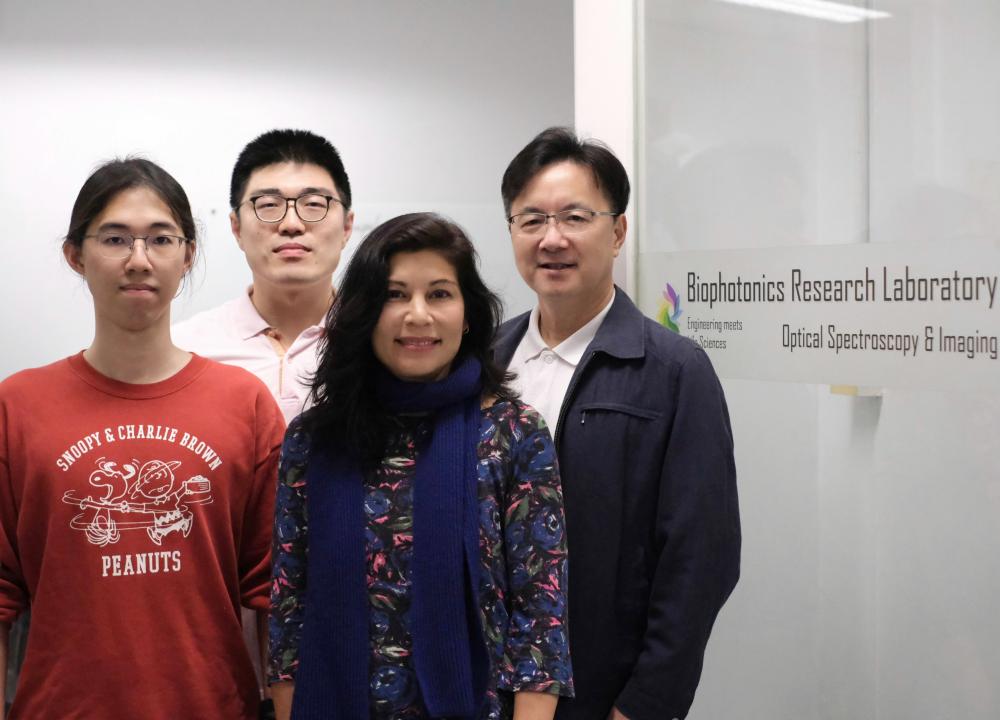
A cross-disciplinary team led by Prof. QU Jianan, Professor from the Department of Electronic and Computer Engineering and Prof. Julie L. SEMMELHACK, Visiting Assistant Professor from the Division of Life Science at The Hong Kong University of Science and Technology (HKUST) has developed a powerful laser control technique.