


New Learning Hub Bolsters HKUST Support for Pedagogical Innovation
The new Advanced Learning Hub supports faculty in designing and evaluating technology-enabled teaching approaches for everyday learning.

The demand for active, technology-enhanced teaching is reshaping expectations for learning spaces, according to Dr. Sean McMINN, Director of the Center for Education Innovation (CEI).
As teaching practices evolve, faculty and students increasingly require more flexible environments for collaboration, experimentation, and experiential learning, Dr. McMinn added.
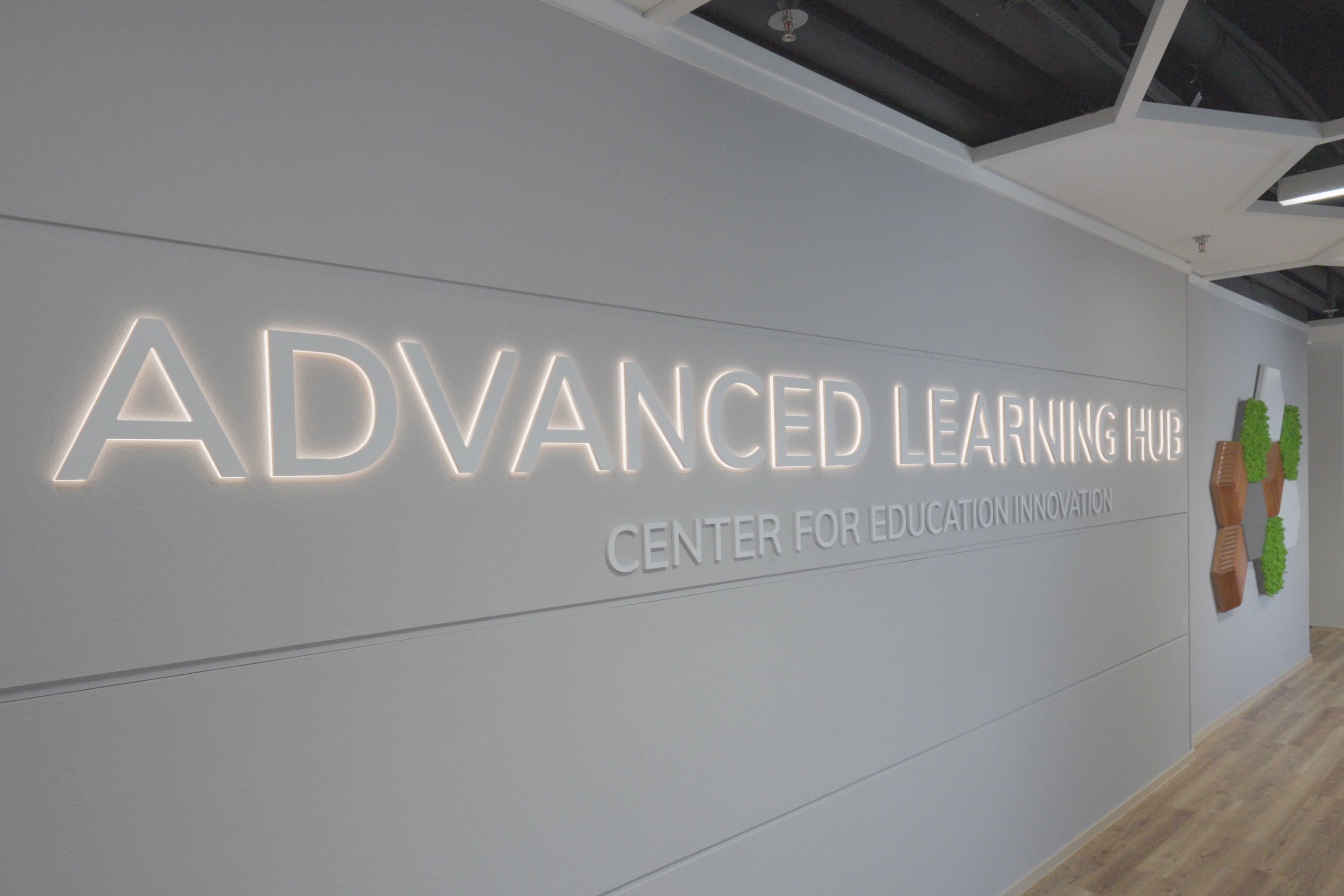
To meet these needs and reinforce HKUST’s role in educational innovation, a new facility has been launched as a shared space within CEI for examining how students learn amid the growth of AI and emerging technologies.
Advance Learning Hub (ALH) brings together teaching innovation, evidence-building, and partnership pathways in one integrated cycle. This allows promising ideas to move from prototype to proof to wider adoption with clearer ownership and momentum.
To achieve these goals, the Hub comprises four distinct facilities, each designed to support innovative teaching practices:
Learning Forum: A central “living lab” for developing, testing, documenting, and sharing teaching ideas. Equipped with standard HKUST audiovisual systems, flexible furniture, and interactive displays, the space supports hands-on, human-centred active learning and real-time collaboration across in-person, digital, and hybrid formats. Practices developed in the Forum are intended to be transferable and scalable to regular classrooms.
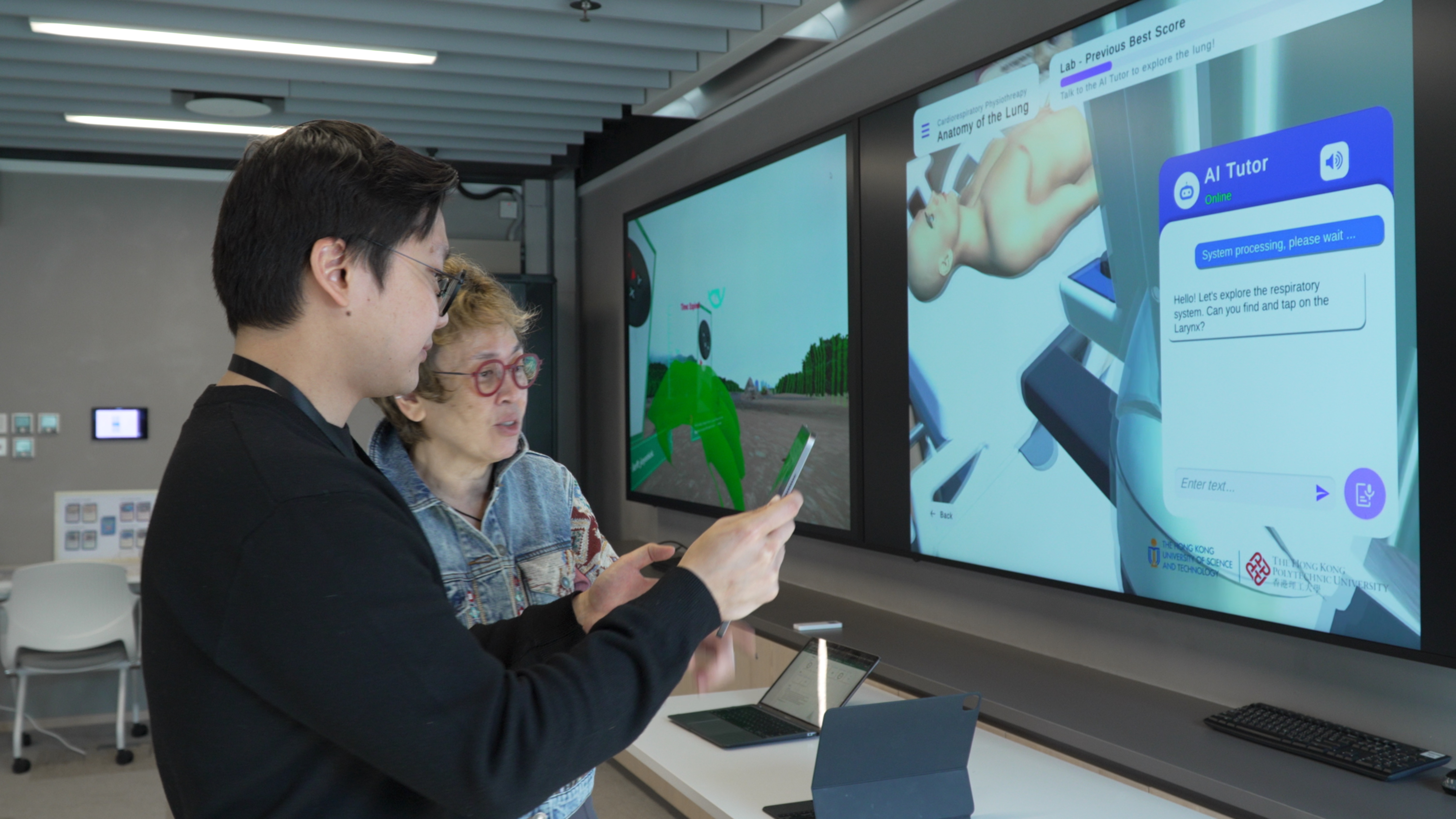
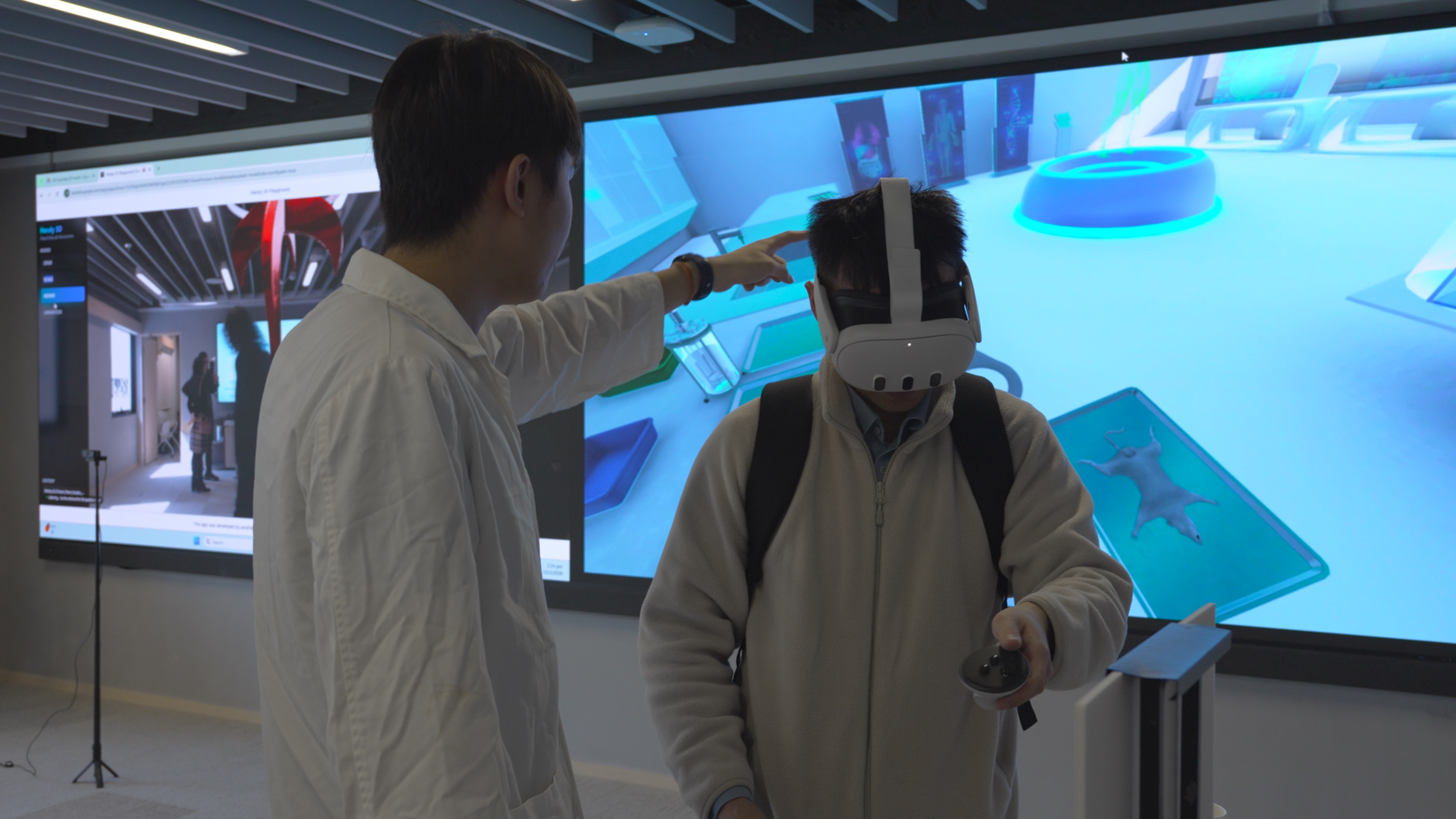
Future Playground: A low-risk prototyping area where faculty can iterate on new learning approaches using XR/AR/VR and AI before formal evaluation and broader adoption. The space includes a large LED wall, high-end workstations for XR development and AI operations, full-body 3D motion capture, and VR headsets for designing and refining immersive learning experiences.
Data Lab: A dedicated space for evidence-building through learning analytics and evaluation design, translating pilot results into actionable insights. Findings are intended to inform pedagogy, curriculum redesign, and assessments of emerging teaching and learning technologies at HKUST.
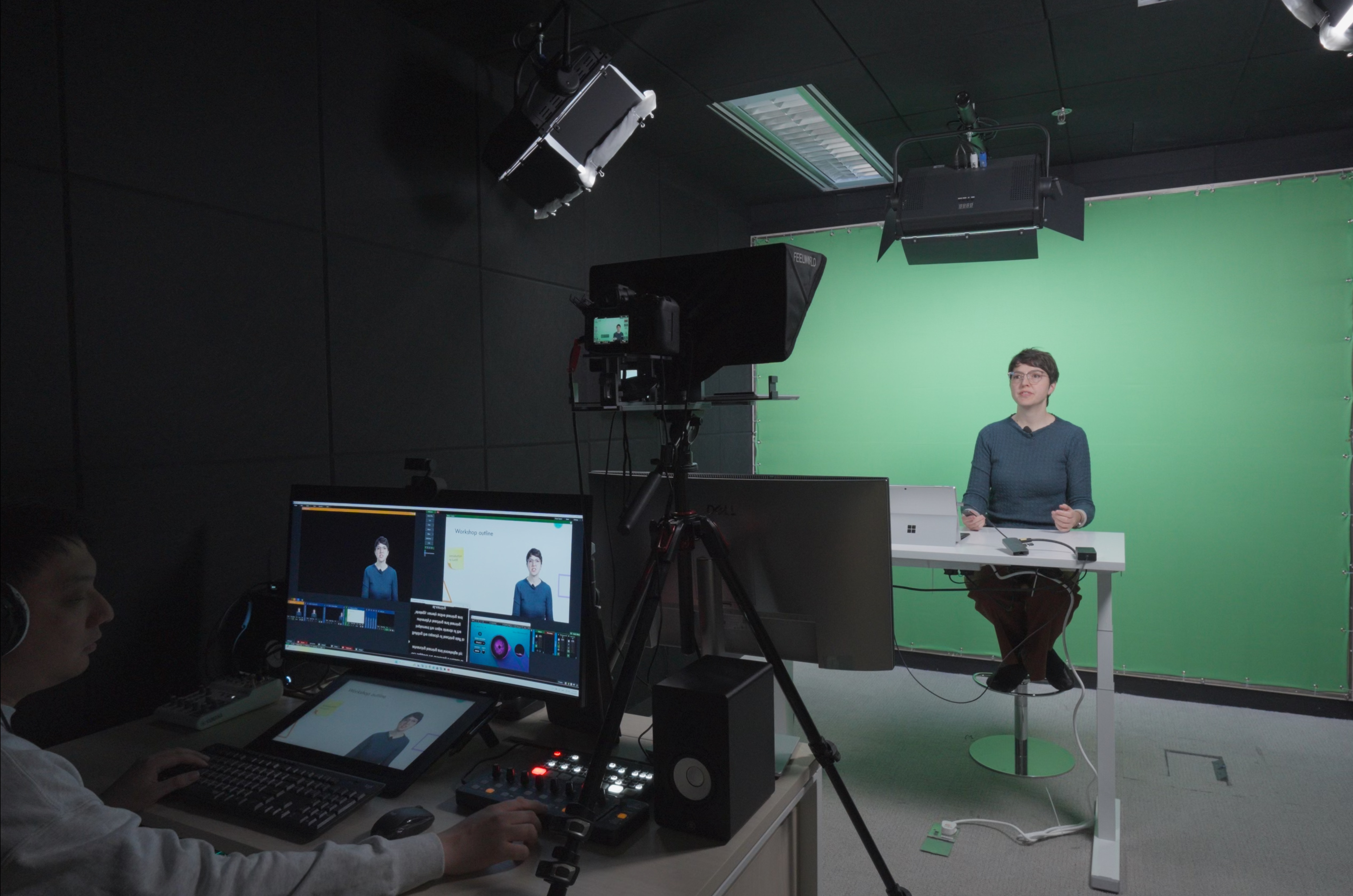
Media Studios: Professional studios designed for faculty without prior production experience. Equipped with advanced cameras, chromakey, studio lighting, and pedagogy teleprompters, the studios support recording and post-production, including editing, digital teaching formats, and AI avatar creation.
Dr. McMinn said ALH is supported by an expanded funding framework. Enhanced triennium funding will provide faculty with more opportunities to develop, refine, and evaluate innovative approaches before scaling them across the University.
Faculty and teaching staff can use the ALH to design, pilot, and assess teaching practices in authentic classroom contexts, supported by shared spaces and technology tools, he added.
Overall, ALH is a welcome addition to the portfolio of pedagogical initiatives at HKUST aimed at integrating advanced technologies within the teaching curriculum and thereby advancing learning and knowledge through teaching and research.
For more information on CEI and ALH, please visit their website.
Sign Up for Our Latest News
Latest News
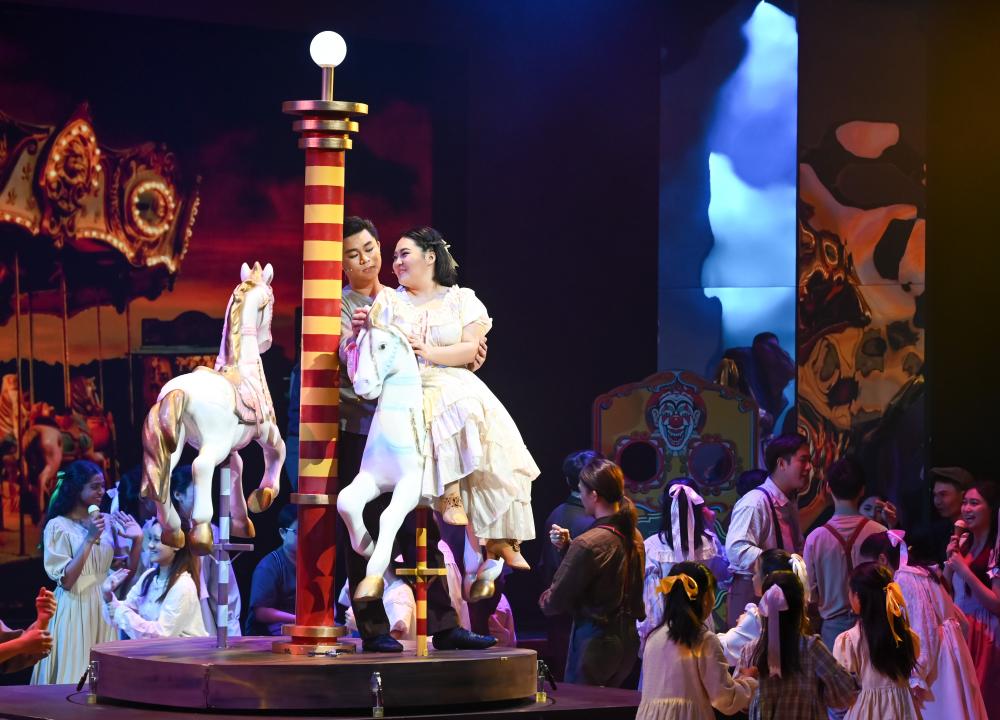
The immensely talented cast and production team behind this year’s community musical, Carousel, shone the spotlight on HKUST’s dedication to fostering a thriving culture for the arts on campus.
Presented by the Shaw Auditorium Unit, and co-directed by Dr. Isaac DROSCHA, Senior Lecturer from the Division of Humanities, and Ms. Mandy PETTY, a renowned choreographer, the show presented a classic Broadway musical for a Hong Kong audience.
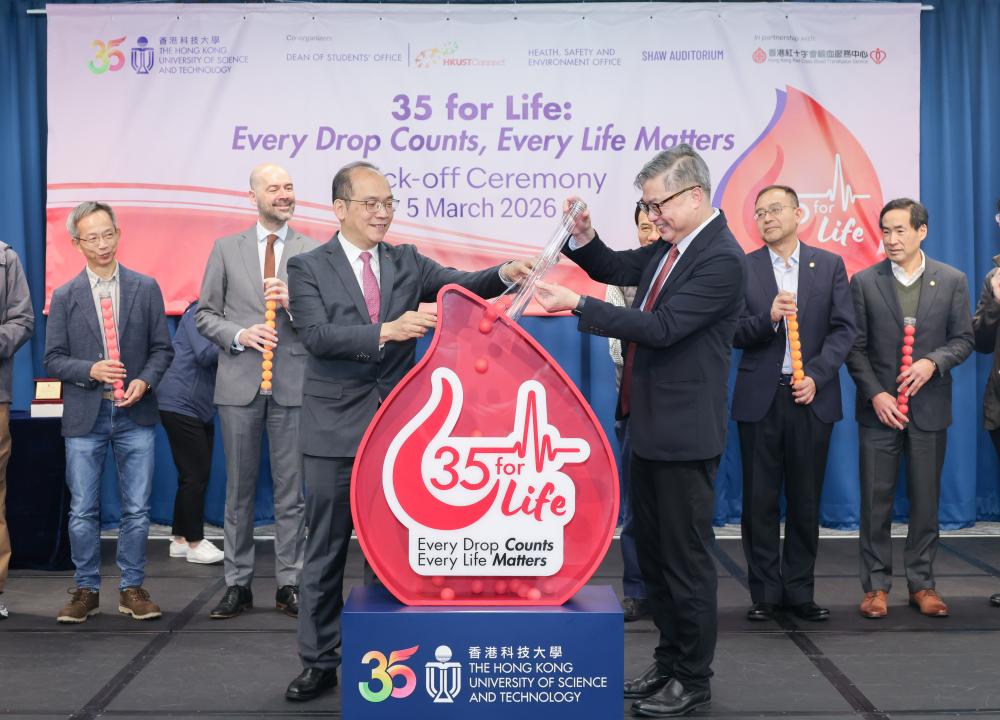
In a powerful demonstration of community spirit, HKUST is encouraging the campus community to mark our 35th Anniversary by donating blood throughout the celebratory year.
The 35th Anniversary blood donation drive reflects HKUST’s longstanding spirit of mutual care and commitment to giving back to society.
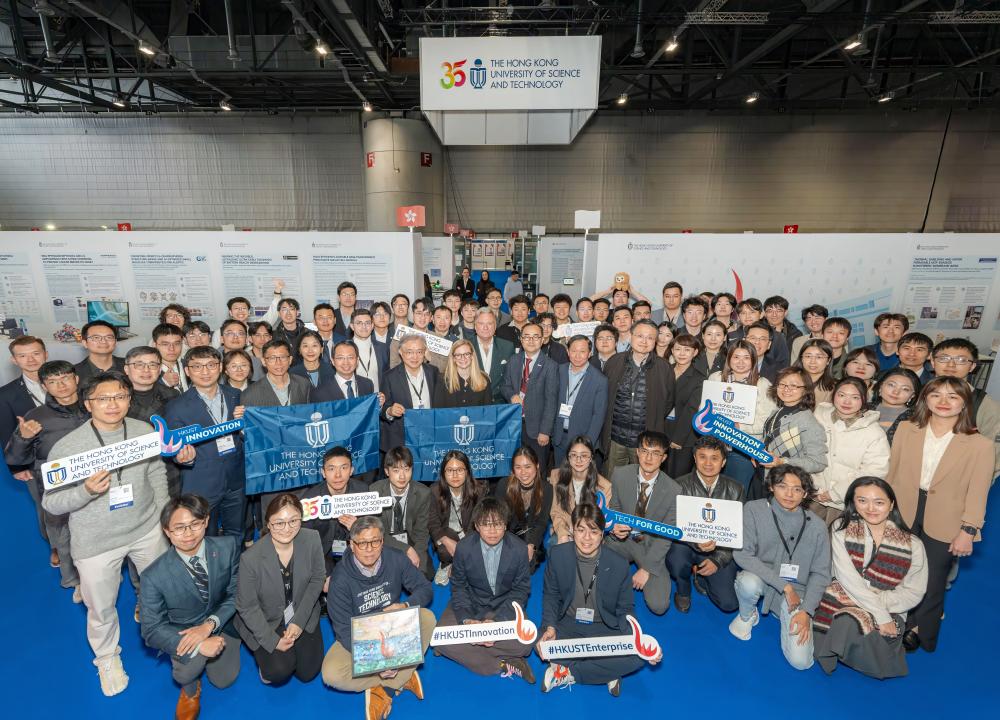
United by a drive to innovate, all 62 teams from HKUST and HKUST (Guangzhou) won awards at the 51st International Exhibition of Inventions Geneva between March 11 and 15.
Between them, the 36 teams from HKUST and 26 teams from HKUST (GZ) brought home 13 Gold Medals with Congratulations of the Jury, 20 Gold Medals, 20 Silver Medals, and nine Bronze Medals.