




HKUST Innovations Shine at the International Exhibition of Inventions Geneva
Harnessing Interdisciplinary Research Capabilities to Drive Global Impact

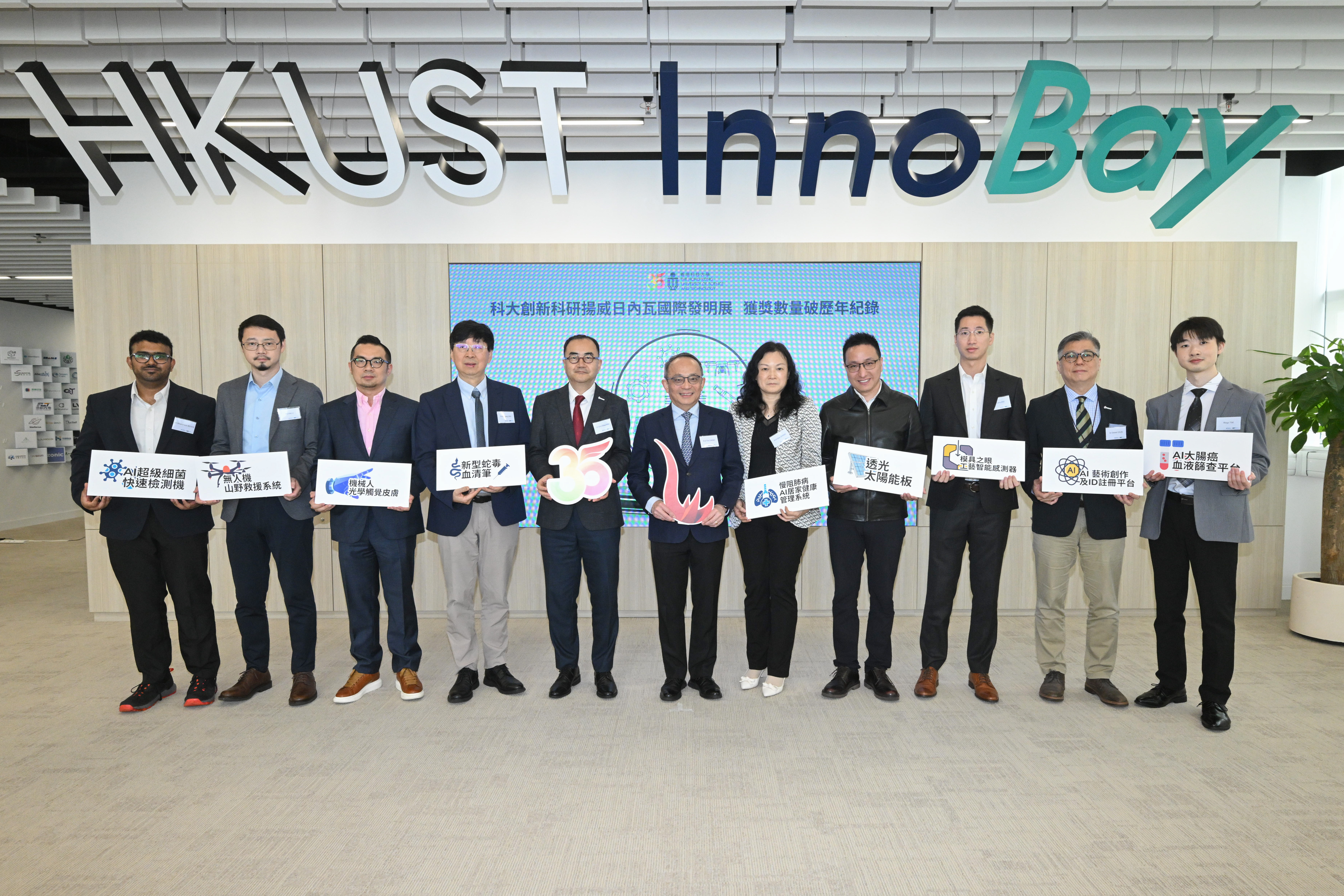
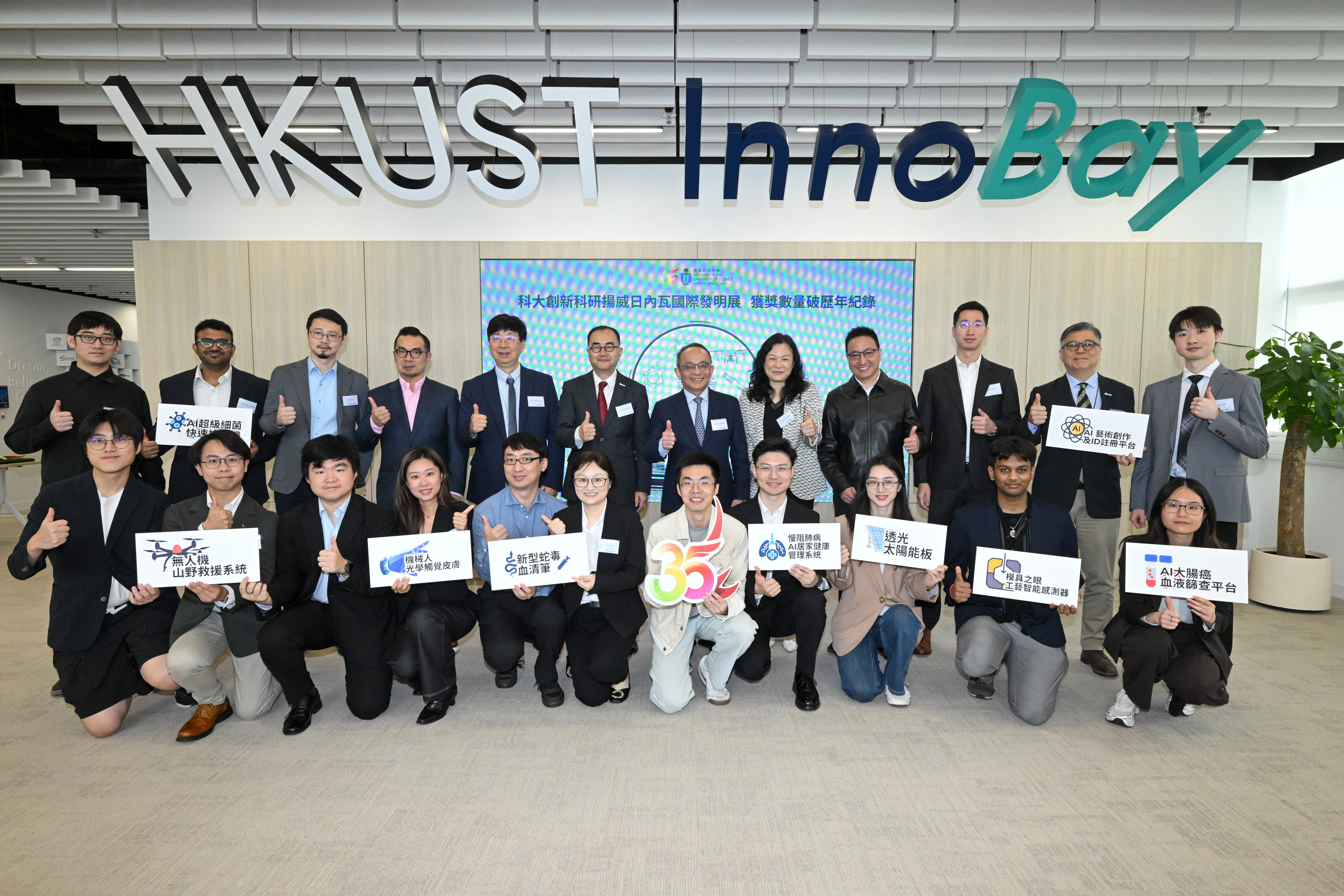
The Hong Kong University of Science and Technology (HKUST) today showcased its award-winning inventions, which were recognized at the 51st International Exhibition of Inventions Geneva (Geneva Inventions Expo). The University's 62 participating teams won a total of 62 accolades, including 13 Gold Medals with Congratulations of the Jury, 20 Gold Medals, 20 Silver Medals, and 9 Bronze Medals. This year's achievements set a new record for the University and make it the highest-awarded higher education institution in Hong Kong.
The award-winning inventions from HKUST span various strategic research domains, including AI, electronics, health technologies, the low‑altitude economy, and materials science. Notably, over 60% of these projects leverage AI to drive research breakthroughs, further underscoring HKUST's distinctive strengths and robust capabilities in advancing "AI + X" interdisciplinary innovation and translation of research outcomes.
Prof. Tim CHENG, HKUST Vice-President for Research and Development, remarked, "HKUST has long been committed to driving research breakthroughs, and fostering innovation and entrepreneurship. Our exceptional results at the Geneva Inventions Expo are not only a testament to the powerful synergy between HKUST and HKUST (Guangzhou), but also underscore the University's leadership in healthcare, AI, advanced manufacturing, and new energy technologies. This achievement reflects international recognition of the University's robust research capabilities and excellence in knowledge transfer.
As Hong Kong deepens its integration into the Guangdong-Hong Kong-Macao Greater Bay Area, the city is well positioned to capitalize on historic opportunities ahead. As a vital engine of innovation, universities must fully leverage the potential of strategic initiatives such as the Northern Metropolis and the Hetao Shenzhen-Hong Kong Science and Technology Innovation Co-operation Zone. Guided by our enduring 'can-do' spirit, the HKUST community will continue to illuminate the world with pioneering inventions, translate research outcomes into real-world impact, support Hong Kong's development as an international innovation and technology hub, and contribute to the national 15th Five-Year Plan by advancing high-quality development and strengthening our nation's journey toward becoming a global technology powerhouse."
Dr. Shin Cheul KIM, HKUST Associate Vice-President for Research and Development (Knowledge Transfer), said, "Geneva Inventions Expo is an annual event for innovation and technology that provides a valuable platform for our researchers to showcase their innovations. By engaging with leading international researchers, the Expo propels innovative breakthroughs and fosters international collaborations. The award-winning projects not only demonstrate how HKUST's ability to translate research into practical applications but also deliver critical technologies that address global challenges in home healthcare, architecture, transportation, and environmental protection—ultimately leveraging research innovations to drive economic development."
During the showcase, nine teams from HKUST that received Gold Medals with Congratulations of the Jury introduced their award-winning projects, covering areas such as healthcare, low-altitude technologies, new energy and robotics, as well as craft quality control and digital art. The project introductions are as follows:
Healthcare
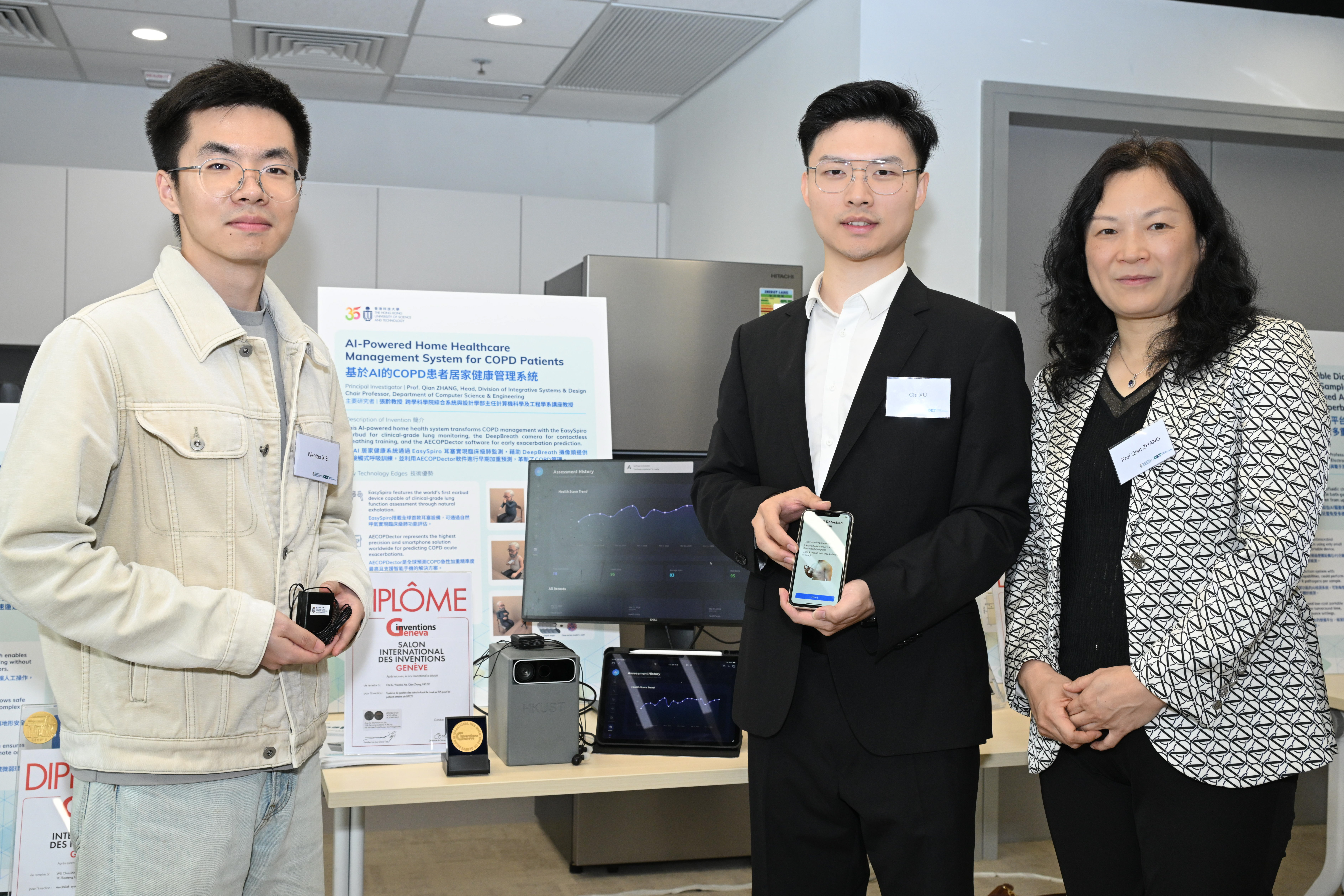
AI-powered Home Healthcare Management System for COPD Patients
Principal Investigator: Prof. ZHANG Qian, Head of the Division of Integrative Systems and Design; Chair Professor of the Department of Computer Science and Engineering, and Department of Electronic and Computer Engineering
Chronic Obstructive Pulmonary Disease (COPD) is a common, incurable chronic respiratory disease worldwide. Without proper management, the disease progressively worsens. It encompasses chronic bronchitis and emphysema, causing irreversible lung damage, and is one of Hong Kong’s leading fatal diseases.
The AI-powered home healthcare system developed by the team integrates three major innovations: an earbud for clinical-grade lung monitoring, a mobile app for early exacerbation prediction (such as cough and breathing sounds), and a depth-sensing camera for contactless breathing training with real-time visual biofeedback. This system empowers patients to effectively monitor and manage their condition from the comfort of their homes.
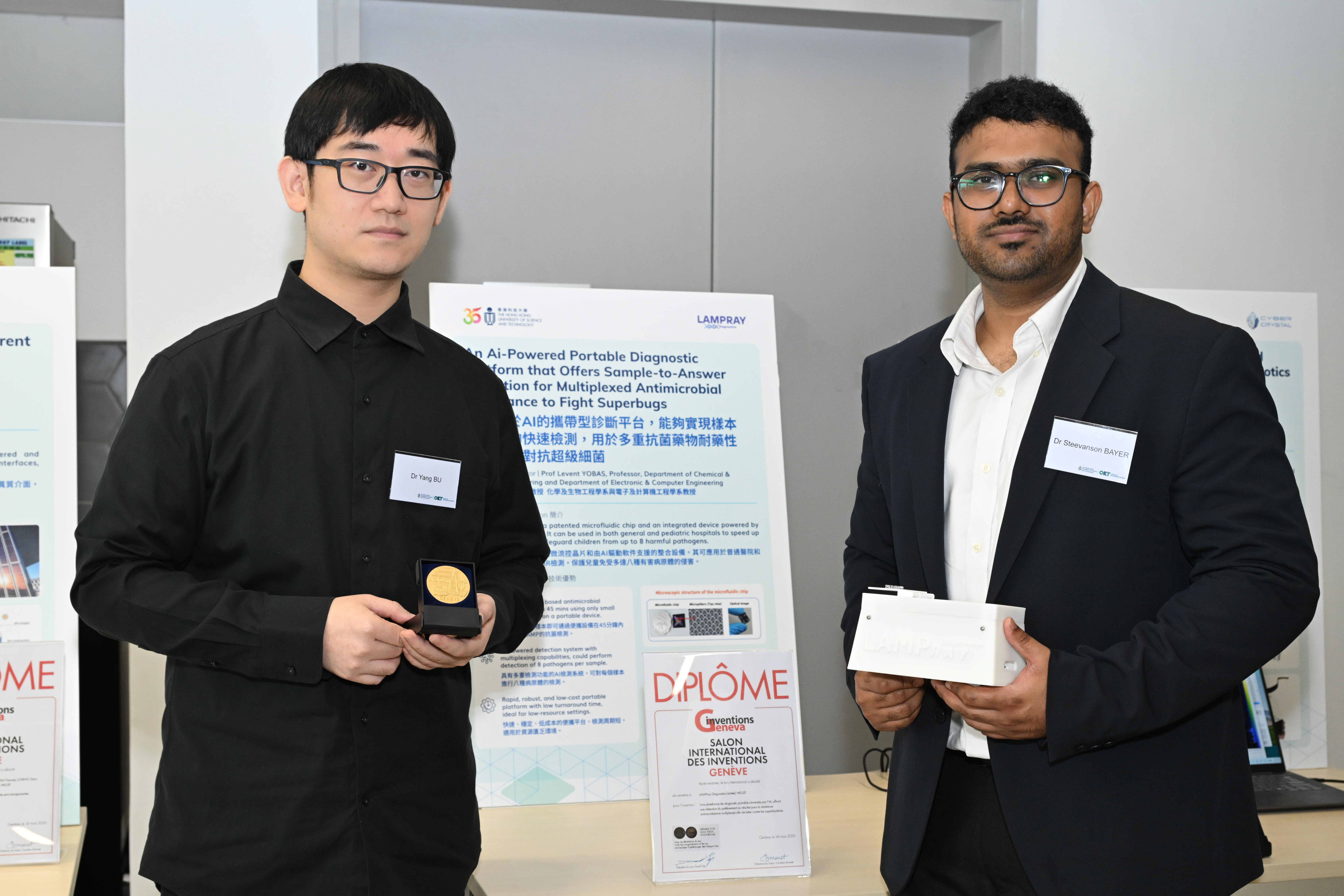
AI-powered Diagnostic Platform for Multiplexed Antimicrobial Resistance to Fight Superbugs
Principal Investigator: Prof. Levent YOBAS, Professor of the Department of Electronic and Computer Engineering, and Department of Chemical and Biological Engineering
WHO has identified antimicrobial resistance (AMR) as one of the top ten global public health threats, as it increases the vulnerability of patients to bacterial infections, which can be fatal in severe cases.
The team has developed an AI‑driven diagnostic device that requires only a few drops of blood to simultaneously detect up to eight pathogens within 45 minutes. This device enables clinicians to quickly identify the source of infection and select the most appropriate antibiotics—a critical advancement, especially in paediatrics and emergency settings where every minute counts.
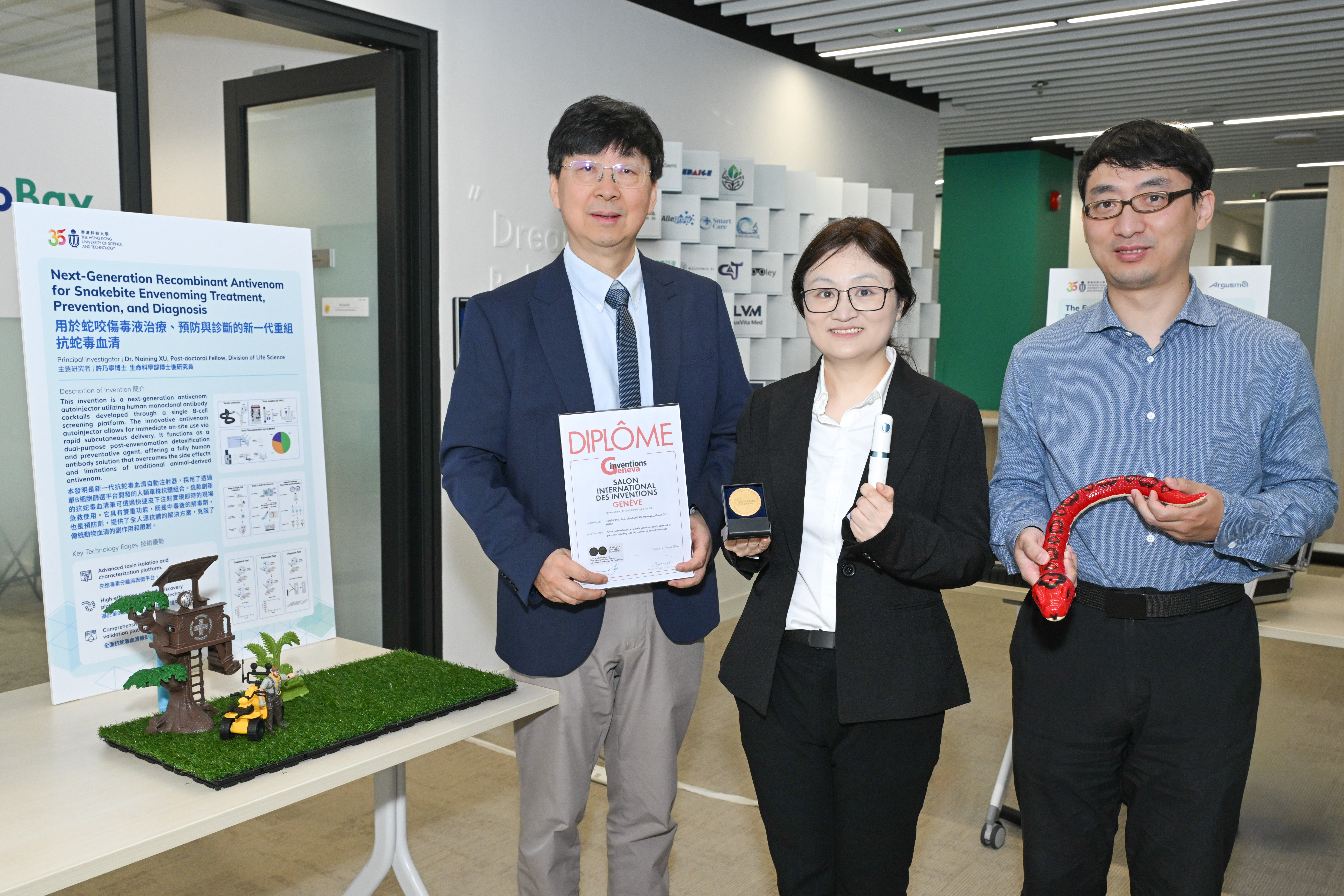
Next-generation Portable Recombinant Antivenom for Snakebites Envenoming
Principal Investigators: Prof. ZHU Guang, Professor of the Division of Life Science, and Department of Chemical and Biological Engineering; Dr. XU Naining, Post-doctoral Fellow of the Division of Life Science
According to the World Health Organization (WHO), an estimated 5.4 million people are bitten by snakes annually, resulting in many cases of envenoming. This leads to approximately 81,000 to 138,000 deaths each year. In Hong Kong, the Poison Control Centre reported nearly 300 snakebite‑related hospital admissions between 2021 and 2023. Traditional antivenom production involves injecting snake venom into large animals, such as horses or sheep, to stimulate antibody production. The antibodies are then extracted, a costly process that may cause allergic reactions in some individuals.
The team’s next‑generation recombinant antivenom utilizes human monoclonal antibody cocktails developed through a single B-cell screening platform to significantly reduce allergic responses. Lightweight and easy to use, this autoinjector enables immediate on‑site use with a single press to save critical time during emergencies.
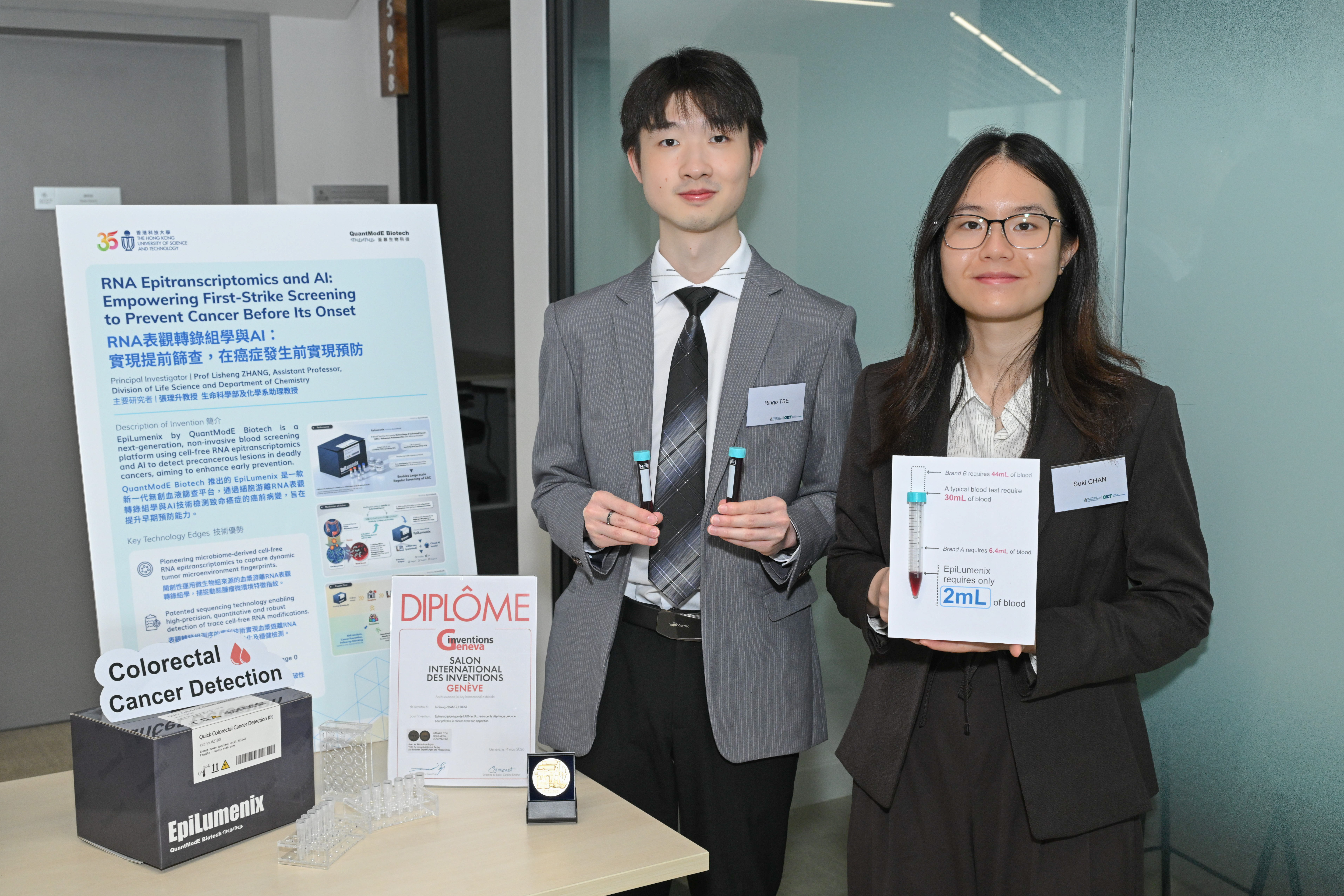
Ultra‑Early Blood Screening Platform to Prevent Cancer before its Onset
Principal Investigator: Prof. ZHANG Lisheng, Assistant Professor of the Division of Life Science and Department of Chemistry
Colorectal cancer is the second leading cause of cancer deaths in Hong Kong, with a five‑year survival rate of only about 9.3% for late‑stage cases. However, colonoscopy, the clinical gold standard, is invasive, leading to low participation rates. In addition, stool‑based tests and blood‑derived cell-free DNA assays often lack the necessary sensitivity to detect precancerous lesions and Stage 0 cancers, which can delay diagnoses that could have been prevented.
The team has developed a novel blood screening platform, EpiLumenix, which integrates cell‑free RNA epitranscriptomics and AI to capture dynamic tumor microenvironment fingerprints from just 2 mL of blood. This platform achieves a groundbreaking 75% sensitivity for Stage 0 colorectal cancer and advanced adenomas, significantly outperforming current commercial stool and cfDNA tests. As a less‑invasive solution, it requires no fasting or bowel preparation, thereby improving patient compliance, and shifting colorectal cancer management from passive treatment to proactive, precision-based early detection and prevention.
Low‑altitude Technologies
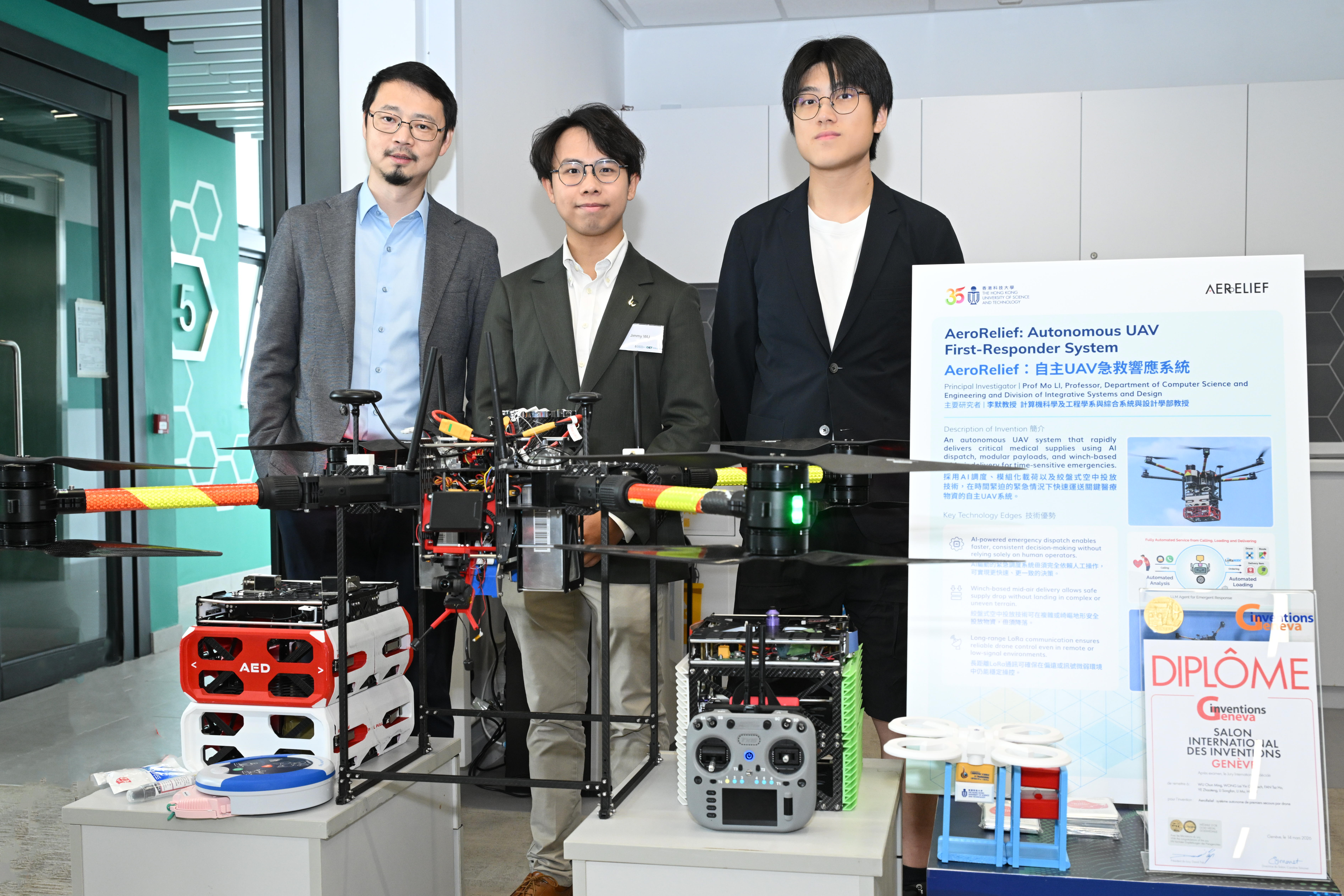
AeroRelief: Autonomous UAV First-responder System
Principal Investigator: Prof. LI Mo, Professor of the Department of Computer Science and Engineering, and Division of Integrative Systems and Design
Rescue operations are time‑critical. To address "blind spots" in emergency response such as remote hiking trails in Sai Kung and outlying islands where ambulances cannot reach, the team has developed the UAV first-responder system "AeroRelief", which reduces the traditional ground rescue time of nearly one hour to just a few minutes.
Powered by AI large‑language‑models, the system analyzes distress messages to determine the required medical supplies, such as AEDs or adrenaline auto‑injectors, and compute the optimal flight route. The winch-based mid-air delivery system enables a safe and precise supply drop within the critical "golden 10 minutes", transforming low‑altitude technologies into a vital force for protecting lives.
New Energy and Robotics
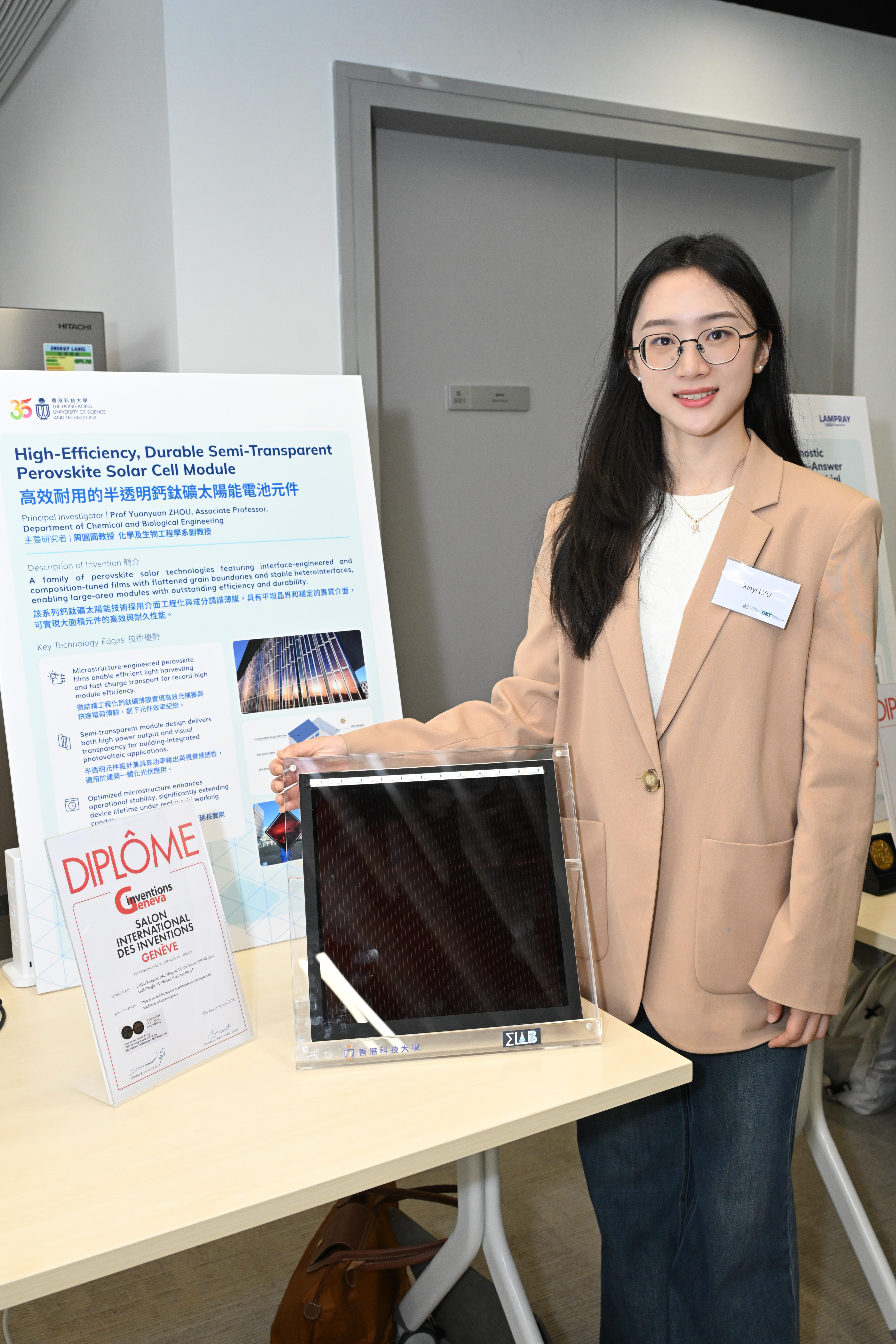
High-efficient and Durable Semi-transparent Perovskite Solar Cell Module
Principal Investigator: Prof. ZHOU Yuanyuan, Associate Professor of the Department of Chemical and Biological Engineering
Traditional solar panels are bulky and opaque, making them unsuitable for windows or glass façades. The team has developed semi‑transparent perovskite solar films with a glass-like appearance, enabling efficient light harvesting for high power output. These films are ideal for use in building façades, skylights, and public transport shelters. The material is highly durable and maintains stable electricity output under prolonged sunlight exposure.
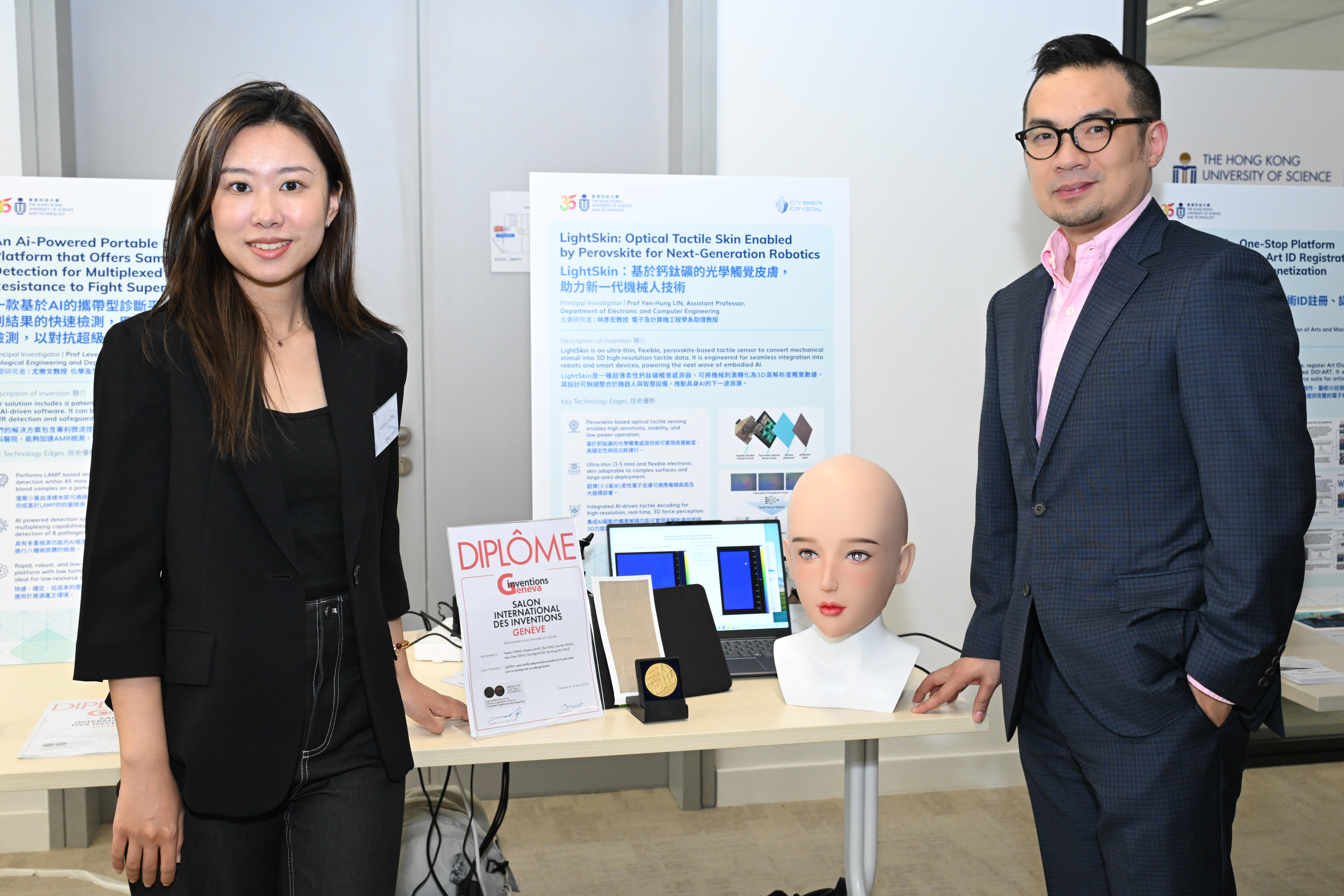
LightSkin: Optical Tactile Skin for Next-generation Robotics
Principal Investigator: Prof. LIN Yen-Hung, Assistant Professor of the Department of Electronic and Computer Engineering
Most robots can "see" but lack the ability to genuinely “feel”. The team has developed "LightSkin", an ultra‑thin (3–5 mm), flexible electronic skin that mimics human tactile sensitivity. It can adapt to complex surfaces on robots, detecting subtle changes in pressure and force to enable safer, more responsive, and intuitive interactions. This innovation opens new possibilities for hand rehabilitation robotics and next‑generation human–robot collaboration systems.
Craft Quality Control and Digital Art
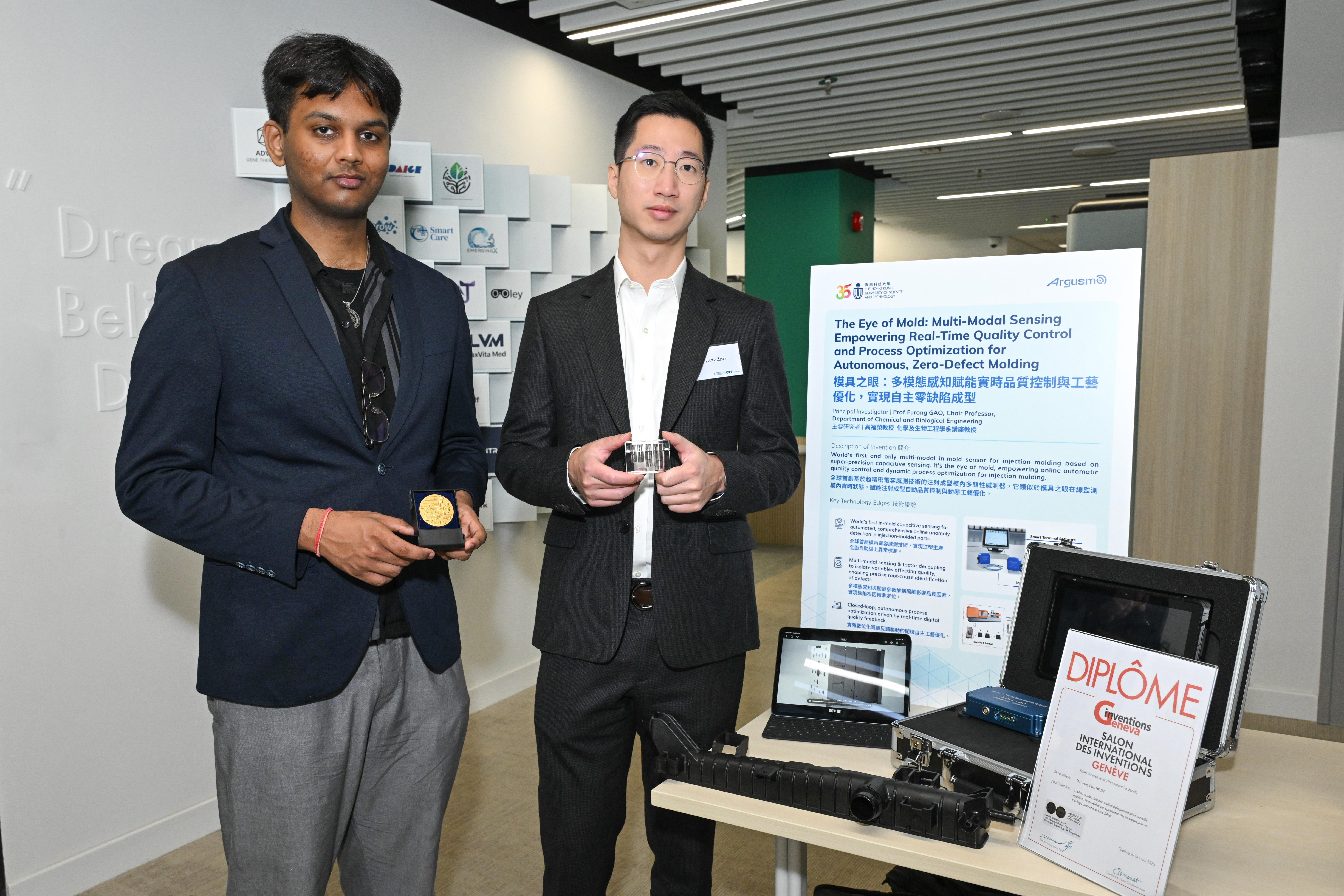
The Eye of Mold: Real-time Quality Control for Zero-Defect Molding
Principal Investigator: Prof. GAO Furong, Chair Professor of the Department of Chemical and Biological Engineering
In mold‑forming processes, product quality is determined within seconds, yet the internal conditions of the mold are invisible to the naked eye. Any slight deviation in the forming process may lead to large‑scale defects.
"The Eye of Mold" is a groundbreaking system designed to address long-standing challenges in the industry. It employs smart sensors to measure three critical parameters—capacitance, temperature, and pressure—enabling, for the first time, real-time visualization of the previously inaccessible mold cavity. This innovation provides real-time insights into the flow, filling, and solidification processes, giving manufacturers an unparalleled end-to-end view of the forming process. As a result, it significantly enhances quality control and production stability.
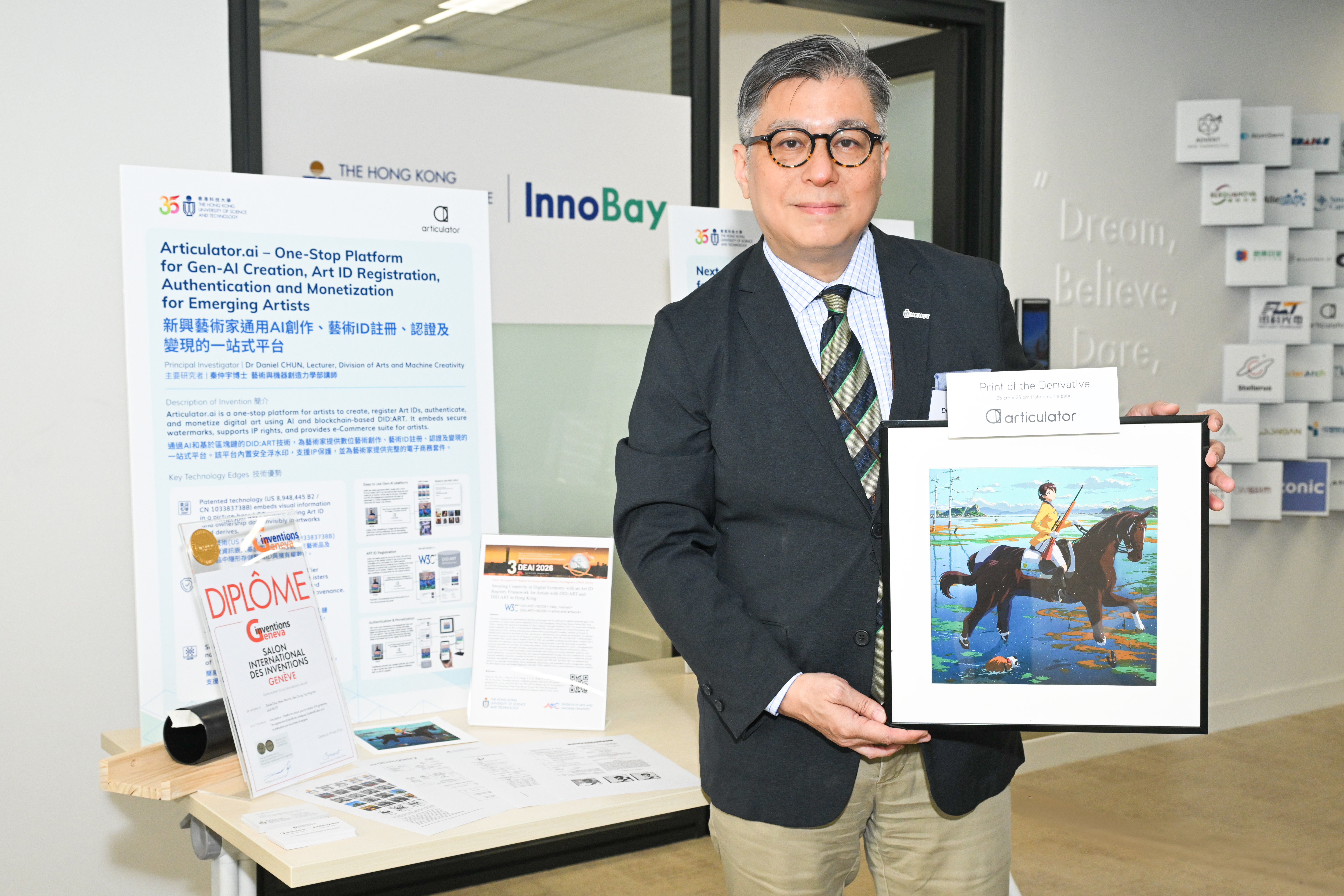
Articulator.ai: One-stop Platform for Gen-AI Creation and Art ID Registration
Principal Investigator: Dr. Daniel CHUN, Lecturer of the Division of Arts and Machine Creativity, and Division of Emerging Interdisciplinary Areas
As digital art becomes increasingly prevalent, artists face growing risks of identity fraud and unauthorized duplication of their work. The team has developed a one-stop platform that serves dual purposes: it functions as both an Art ID registration platform and a creative studio for artists. The system employs AI to assist in the creative process while securely recording artists’ identities and ownership data within a blockchain-enabled database, ensuring tamper-evident provenance. In addition, it embeds secure watermarks that store the Art ID and includes a built‑in e‑commerce module. This system enables artists to manage every aspect of their work, from creation to online sales, all within a single platform.
This year's Geneva Inventions Expo attracted over a thousand projects from around 40 countries and regions worldwide. HKUST has 62 teams participating in the exhibition, with 36 teams from HKUST and 26 teams from HKUST (Guangzhou). For details on other HKUST award-winning projects, please refer to the Appendix.
About The Hong Kong University of Science and Technology
The Hong Kong University of Science and Technology (HKUST) (https://hkust.edu.hk/) is a world-class university known for its innovative education, research excellence, and impactful knowledge transfer. With a holistic and interdisciplinary pedagogy approach, HKUST was ranked 6th in the QS Asia University Rankings 2026, 3rd in the Times Higher Education’s Young University Rankings 2024, and 19th globally and 1st in Hong Kong in the Times Higher Education’s Impact Rankings 2025. Eleven HKUST subjects were ranked among the world’s top 50 in the QS World University Rankings by Subject 2026. In addition, in the Times Higher Education World University Rankings by Subject 2026, HKUST’s Computer Science discipline which encompasses areas such as artificial intelligence and machine learning, has been ranked No. 1 in Hong Kong for ten consecutive years. Our graduates are highly competitive, consistently ranking among the world’s top 30 most sought-after employees. In terms of research and entrepreneurship, over 80% of our work was rated “internationally excellent” or “world leading” in the Research Assessment Exercise 2020 of the Hong Kong’s University Grants Committee. As of January 2026, HKUST members have founded over 1,900 active start-ups, including 10 Unicorns and 21 exits (IPO or M&A).
For media enquiries, please contact:
PR and Media Team, Global Engagement and Communications Office
Email: media@ust.hk
Sign Up for Our Latest News
Latest News

This March, the immensely talented cast and production team behind this year’s community musical, Carousel, shone a spotlight on HKUST’s dedication to fostering a vibrant arts culture on campus.
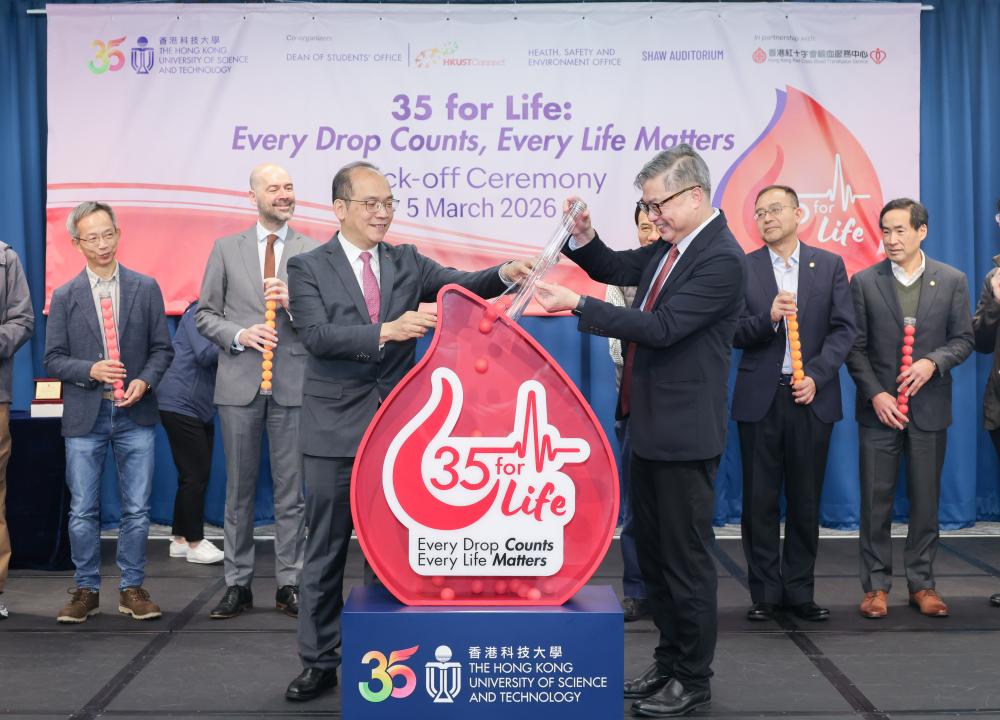
In a powerful demonstration of community spirit, HKUST is encouraging the campus community to mark our 35th Anniversary by donating blood throughout the celebratory year.
The 35th Anniversary blood donation drive reflects HKUST’s longstanding spirit of mutual care and commitment to giving back to society.
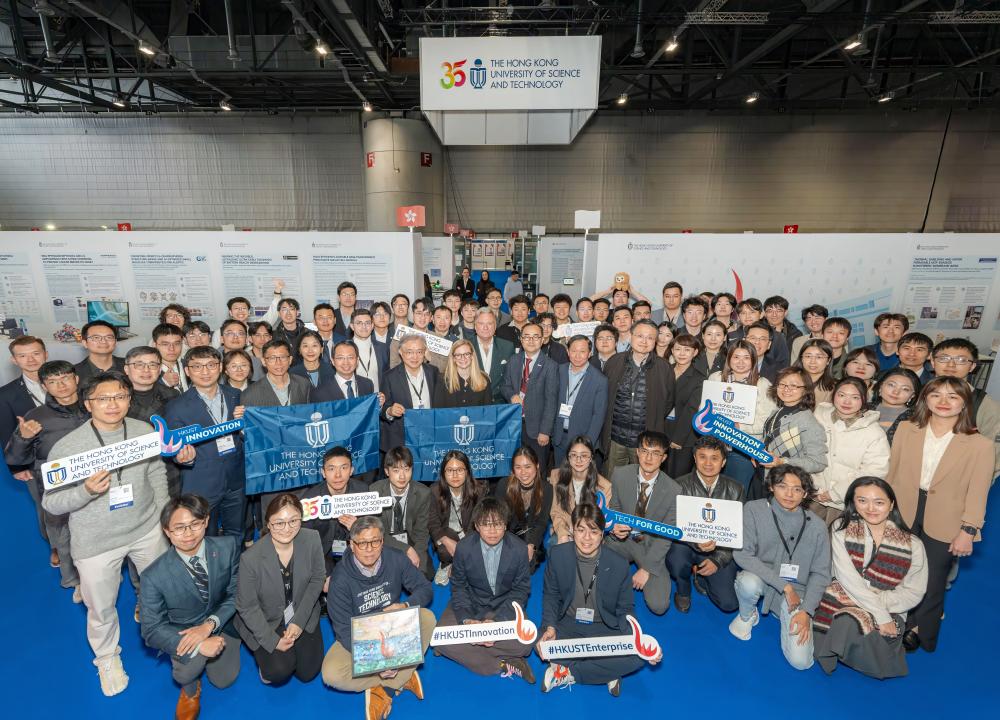
United by a drive to innovate, all 62 teams from HKUST and HKUST (Guangzhou) won awards at the 51st International Exhibition of Inventions Geneva between March 11 and 15.
Between them, the 36 teams from HKUST and 26 teams from HKUST (GZ) brought home 13 Gold Medals with Congratulations of the Jury, 20 Gold Medals, 20 Silver Medals, and nine Bronze Medals.